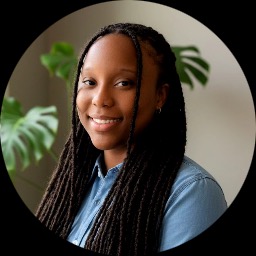
About Princess
Princess Spikes is a licensed clinical social worker who draws on practical therapy methods to help people manage stress, anxiety, low mood, and relationship struggles. She works in Alabama and speaks English. Princess holds LCSW and CSW credentials and brings four years of clinical experience to her practice.
She uses straightforward tools from Acceptance and Commitment Therapy, Cognitive Behavioral Therapy, and Dialectical Behavior Therapy. In sessions she helps people spot unhelpful thoughts, try small behavior changes, and practice skills for handling strong emotions.
Background and approach
The focus is on useful steps rather than long explanations. Common concerns she addresses include self-esteem, panic and mood problems, and the strain that comes with life changes. She also helps people manage issues like isolation, communication problems, financial stress, and the emotional fallout of separation or immigration challenges.
Conversations aim to name the issue and find workable next steps. Princess encourages clients to lean on their own strengths when working through problems. She offers a calm, direct style that favors practice and follow-through.
Sessions may include brief experiments, skill coaching, and planning for everyday life. Starting therapy is framed as a gradual process. Princess helps set small goals and measures progress in clear ways.
Her approach suits people who want hands-on strategies for coping and lasting change.
Online therapy using practical approaches
Princess commonly uses Acceptance and Commitment Therapy to help people notice what matters to them and take small actions toward those values even when feelings are difficult. ACT focuses on values and committed steps rather than trying to eliminate thoughts entirely.She also draws on Cognitive Behavioral Therapy to help identify unhelpful thought patterns and replace them with more balanced, realistic thinking. CBT often includes simple homework tasks and behavior experiments to test new ways of responding.
Finding the right approach is part of the work. The therapist will talk with each person about goals, preferences, and what feels most helpful. Together they choose or blend methods so sessions match the individual's needs and pace.
Online formats include video calls, phone sessions, live chat, and text-based messaging. Video is useful for a more conversational session, while phone calls can be easier when bandwidth is limited or a quieter check-in is needed. Live chat and messaging are helpful for brief coaching, skill reminders, or when someone prefers writing to speaking. These options make therapy more flexible and easier to fit into a busy life.
Frequently asked questions
What problems does this therapist help with?
What is the therapy style like?
How much clinical experience does the therapist have?
What are the therapist's credentials and where are they based?
Which languages are used for sessions?
What formats are available for sessions?
How are costs handled for sessions?
How do I begin working with this therapist?
Specialties and expertise
Top specialties
- Stress, Anxiety
- Relationship issues
- Self esteem
Also works with
- Abandonment
- Communication problems
- Coping with life changes
- Depression
- Divorce and separation
- Family problems
- Forgiveness
- Guilt and shame
- Immigration issues
- Impulsivity
- Isolation / loneliness
- Life purpose
- Men's issues
- Money and financial issues
- Mood disorders
- Panic disorder and panic attacks
- Self-love
- Social anxiety and phobia
- Women's issues
- Workplace issues
- Young adult issues
Therapeutic approaches
- Experience
- 4 years
- Licensed
- Colorado, Alabama, Virginia, North Carolina, Texas
- Languages
- English