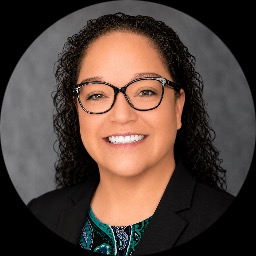
About Morgan
Morgan Starr is a licensed clinical social worker who helps people manage stress, anxiety, trauma, and self-esteem struggles. She also supports LGBTQ individuals and people dealing with family‑related concerns. Morgan practices from Texas and uses a direct, compassionate style to make therapy approachable for busy adults.
She keeps sessions practical and focused. Conversations often start with the most pressing issue, then move to small, doable changes that fit daily life.
Background and approach
Morgan pays attention to family of origin patterns, attachment concerns, and how past hurts affect current relationships. Her work often addresses specific problems such as abandonment, adoption and foster care questions, caregiver stress, codependency, and communication breakdowns. She also helps people facing domestic violence impacts, disruptive mood patterns, and issues tied to autism and Asperger syndrome.
Sessions look at guilt, shame, forgiveness, and impulsivity in concrete ways. With six years of clinical experience, Morgan blends evidence-based therapeutic techniques with a trauma-informed perspective. She aims to help clients build self-compassion and skills for steady progress rather than quick fixes.
The tone is collaborative and practical, not judgmental. Clients typically leave sessions with a clear next step or skill to practice. Morgan encourages small experiments between meetings so change feels manageable.
She frames therapy as a partnership focused on real-life improvements.
Approaches that guide online care
Two evidence‑based approaches often guide Morgan's work: trauma‑informed care and skills‑focused therapy. Trauma‑informed care means noticing how past hurts affect emotions and relationships, then pacing conversations so people feel steady while addressing painful memories. Skills‑focused therapy centers on teaching concrete tools for anxiety, mood changes, communication problems, and impulsivity so clients can try them between sessions.Finding the right approach is collaborative. The therapist will review concerns, goals, and preferences together and adjust methods as needed. Sometimes the plan shifts after a few sessions when clearer patterns or priorities emerge, and that change is part of the process rather than a setback.
Online formats include video calls, phone sessions, live chat, and text‑based messaging, which create flexibility for different needs. Video calls allow more face‑to‑face connection and visual cues. Phone sessions work well for shorter check‑ins or when bandwidth is limited. Live chat and text messaging make it easier to fit brief check‑ins into a busy day or to build skills through written prompts. These options help people access therapy around work, caregiving, or other time constraints while keeping sessions focused and practical.
Frequently asked questions
What concerns does Morgan address?
How does she approach therapy?
What background does she bring to sessions?
Where is she licensed and based?
What languages are sessions offered in?
Which session formats are available?
How does payment and cost work?
How do I begin working together?
Specialties and expertise
Top specialties
- Stress, Anxiety
- LGBT
- Family conflicts
Also works with
- Abandonment
- Adoption and foster care
- Attachment issues
- Autism and Asperger Syndrome
- Blended family issues
- Caregiver issues and stress
- Codependency
- Communication problems
- Disruptive Mood Dysregulation Disorder (DMDD)
- Domestic violence
- Family of origin issues
- Family problems
- Forgiveness
- Guilt and shame
- Impulsivity
- Intellectual disability
- Life purpose
- Mood disorders
- Multicultural concerns
- Personality disorders
- Prejudice and discrimination
- Self esteem
- Self-harm
- Self-love
- Sexual assault and abuse
- Sexuality
- Trauma and abuse
- Workplace issues
- Young adult issues
- Experience
- 6 years
- Licensed
- Texas
- Languages
- English