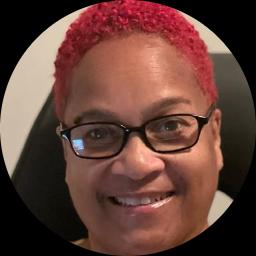
About Mary
Mary Smith Tyler is a licensed clinical social worker in Georgia. She holds the Licensed Clinical Social Worker credential (LCSW) and also lists CSW. She brings eight years of social work experience to her practice and focuses on practical help for everyday problems.
She began with a personal connection to the field and has long wanted to give others the same support she received. That motivation shaped her approach to helping people with relationship concerns, family stresses, and parenting challenges.
Background and approach
She also addresses self-esteem and career-related worries in straightforward ways. In sessions she keeps things open and nonjudgmental. Conversations are direct and focused on what matters most to the client.
She helps people talk through feelings, make clearer choices, and try small changes that can make daily life easier. Mary also works with issues that often come with life transitions. These include aging and geriatric concerns, hospice and end-of-life counseling, veteran and armed forces issues, and first responder stress.
Other areas she addresses include codependency, commitment and control issues, emptiness, hoarding, and family of origin problems. She supports people dealing with money worries, forgiveness, gender dysphoria, and post-traumatic stress. Sessions aim to build skills and improve coping rather than rely on labels.
Mary wants to make the first step less daunting and to help clients move toward a more satisfying life.
Evidence-based approaches and online support
Mary uses evidence-based therapeutic techniques that focus on practical change. One approach involves helping clients identify patterns in relationships and daily life, then trying small, manageable adjustments to improve functioning and connection. This helps with issues like commitment concerns, codependency, and family problems.Another common approach helps people build coping skills for stress and trauma. Sessions teach concrete strategies for managing strong emotions and reducing the impact of past events on present life, which can be useful for post-traumatic stress, first responder stress, and veteran issues.
Choosing the right approach is a collaborative process. The therapist will listen to your goals, discuss options, and adjust methods as needed so the plan fits your needs and preferences. Clients take an active role in deciding what to try and how to measure progress.
Online therapy offers flexible ways to connect. Video calls let you use face-to-face conversation when it matters. Phone sessions work well when bandwidth is limited or a quieter check-in is needed. Live chat and text-based messaging are useful for shorter updates, ongoing coaching, or when typing feels easier than speaking. These formats make it easier to fit therapy into a busy life and to keep continuity between sessions.
Frequently asked questions
What concerns does Mary commonly address?
What is her therapeutic style like?
How much experience does she have?
What credentials and location information are provided?
Which languages and international clients are supported?
What session formats are offered?
How does billing and cost work?
What steps are needed to start therapy?
Specialties and expertise
Top specialties
- Relationship issues
- Family conflicts
- Parenting issues
Also works with
- Aging and geriatric issues
- Career difficulties
- Codependency
- Commitment issues
- Control issues
- Emptiness
- Family of origin issues
- Family problems
- First responder issues
- Forgiveness
- Gender dysphoria
- Hoarding
- Hospice and end-of-life counseling
- Money and financial issues
- Post-traumatic stress
- Seasonal Affective Disorder (SAD)
- Self esteem
- Self-harm
- Self-love
- Sexuality
- Smoking / vaping cessation
- Veteran and Armed Forces Issues
- Women's issues
- Workplace issues
- Young adult issues
- Experience
- 8 years
- Licensed
- Georgia
- Languages
- English