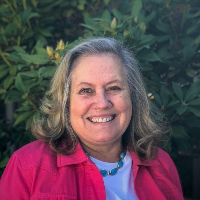
About Mary
Dr. Mary Moran is a licensed clinical social worker in Washington with 20 years of experience in mental health and substance use care. She brings a long history of clinical work and supervision to her practice.
Her background includes a Ph.D., a Master of Social Work, and training across several treatment settings. Her career began after a BA in psychology and progressed through graduate study and clinical roles. She has spent many years supervising social workers and mental health counselors.
Background and approach
That supervisory work influences how she plans sessions and supports people through change. In sessions she keeps the tone collaborative. She helps people set clear goals and checks in about progress.
Conversations cover thoughts, feelings, and how a person’s surroundings shape their wellbeing. Dr. Moran uses a mix of approaches depending on the need.
She draws on client-centered work, cognitive techniques, mindfulness, motivational interviewing, and relationship-focused methods. The goal is practical steps people can try between sessions. She commonly addresses stress, anxiety, depression, addiction, trauma, grief, anger, and self-esteem concerns.
Additional areas include adoption and foster care issues, caregiver stress, aging and geriatric matters, eating and food-related concerns, and end-of-life and hospice support. Sessions are offered in English and are available through video, phone, live chat, or text messaging. People who want to begin fill out a short matching questionnaire and schedule based on the therapist’s availability.
How these approaches shape online care
Client-centered Therapy focuses on the person’s experience and priorities. In practice this means the therapist listens closely, reflects what she hears, and follows the client’s lead to set goals and next steps. Cognitive Behavioral Therapy (CBT) looks at how thoughts, feelings, and actions link together. It teaches practical skills and experiments to change unhelpful patterns, which can help with anxiety, depression, and stress. The Gottman Method brings attention to relationship patterns and communication skills, useful when people want clearer ways to talk and resolve conflict.Finding the right approach is part of the work. Dr. Moran will talk with each person about their goals and preferences and then try methods that fit those needs. The plan is collaborative and can change as progress is made or priorities shift.
Online sessions make those methods easier to access. Video calls allow face-to-face interaction for skills practice and deeper conversation. Phone sessions can suit people who need lower bandwidth or prefer not to be on camera. Live chat and text-based messaging work for quick check-ins, brief reflections, or regular support between longer sessions. Together these formats provide flexibility so therapy can fit into a busy life.
Frequently asked questions
What concerns does Dr. Moran address?
What is her therapeutic style like?
How long has she practiced?
Which credentials and states are on record?
Are sessions offered in other languages?
What session formats are available?
How does billing and cost work?
What are the first steps to begin therapy?
Specialties and expertise
Top specialties
Also works with
- ADHD
- Adoption and foster care
- Aging and geriatric issues
- Anger management
- Career difficulties
- Caregiver issues and stress
- Codependency
- Communication problems
- Compassion fatigue
- Coping with life changes
- Depression
- Divorce and separation
- Eating and food-related issues
- Emptiness
- Family conflicts
- Family of origin issues
- Family problems
- Grief
- Hospice and end-of-life counseling
- Isolation / loneliness
- Midlife crisis
- Mood disorders
- Post-traumatic stress
- Relationship issues
- Seasonal Affective Disorder (SAD)
- Self esteem
- Self-harm
- Self-love
- Sexuality
- Trauma and abuse
- Women's issues
- Workplace issues
Therapeutic approaches
- Experience
- 20 years
- Licensed
- Washington, Illinois, Missouri, Oregon
- Languages
- English