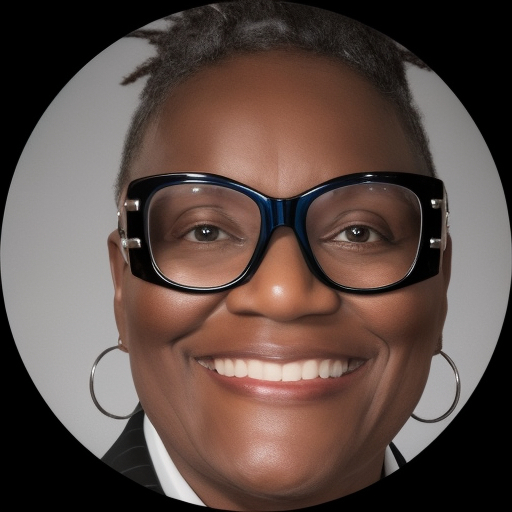
About Mary
Mary Knight is a licensed clinical social worker in Texas with 34 years of experience. She helps people who are stressed, anxious, grieving, or struggling with addiction and life changes. Her work also covers anger, self-esteem, relationship and family concerns, parenting, and finding life purpose.
Mary keeps sessions straightforward and focused on practical steps. She listens without judgment and helps people name problems and choose small, doable changes. Conversations often include learning new coping skills and practicing ways to manage emotions day to day.
Background and approach
Her approach draws on several well-known methods, including acceptance and commitment ideas, cognitive tools to change unhelpful thinking, and mindfulness practices to stay present. Mary also uses client-centered and dialectical principles to balance acceptance with change. She matches methods to what each person needs and prefers.
Having worked in the field for decades, Mary has supported people through grief, caregiver strain, chronic illness, codependency, and issues around attachment and abandonment. She also addresses communication problems, control issues, guilt and shame, and end-of-life or hospice concerns. Her experience shapes a calm, practical style that aims to make everyday life more manageable.
Sessions are offered in English and conducted online by video, phone, live chat, or text messaging. Mary practices with the perspective of a Texas LCSW and helps people find workable steps toward healing and clearer priorities.
Therapeutic approaches for online care
Acceptance and Commitment Therapy helps people notice thoughts without getting stuck in them and then take actions that align with their values. It can help when life feels overwhelming or values are unclear. Cognitive Behavioral Therapy focuses on identifying and changing unhelpful thoughts and behaviors through practical exercises and homework. It is useful for anxiety, depression, and stress management. Mindfulness Therapy teaches simple attention skills to reduce reactivity and build calm through present-moment practice, often useful for emotion regulation and chronic stress.Finding the right blend of methods is part of the work together. The therapist will talk with each person about goals, preferences, and what feels most helpful. Then methods are chosen collaboratively and adjusted over time as needs change.
Online therapy offers flexible ways to meet - video calls for a more face-to-face feel, phone sessions when bandwidth or hands-free options are needed, live chat for short check-ins, and text messaging for ongoing support between sessions. These formats make it easier to fit therapy into busy days, manage follow-up work, and practice skills in real life situations without extra travel.
Frequently asked questions
What problems does this therapist address?
What is the therapy style like?
How long has she been practicing?
Where is the therapist licensed and located?
Which languages are offered for sessions?
What session formats are available?
How are fees and payment handled?
How do I begin working with this therapist?
Specialties and expertise
Top specialties
- Stress, Anxiety
- Addictions
- Anger management
Also works with
- Abandonment
- Attachment issues
- Caregiver issues and stress
- Chronic pain, illness, and disability
- Coaching
- Codependency
- Communication problems
- Control issues
- Coping with life changes
- Depression
- Domestic violence
- Emptiness
- Family conflicts
- Family problems
- Forgiveness
- Grief
- Guilt and shame
- Hospice and end-of-life counseling
- Isolation / loneliness
- Life purpose
- Money and financial issues
- Mood disorders
- Paranoia
- Parenting issues
- Post-traumatic stress
- Prejudice and discrimination
- Relationship issues
- Self esteem
- Self-love
- Sexual assault and abuse
- Social anxiety and phobia
- Somatization
- Veteran and Armed Forces Issues
- Women's issues
Therapeutic approaches
- Experience
- 34 years
- Licensed
- Texas
- Languages
- English