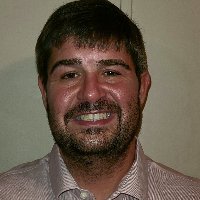
About Marcus
Marcus Clark is a licensed clinical social worker who offers straightforward, goal-focused therapy. He speaks plainly and helps people who are dealing with stress, anxiety, addictions, depression, grief, trauma, sleep problems, anger, self-esteem, ADHD, and related struggles. Marcus works from Georgia and brings seven years of clinical experience to sessions.
Marcus uses simple tools to help clients manage symptoms and make daily life easier. He often blends practical skill-building with conversations about how past experiences affect current behavior.
Background and approach
Sessions are focused on small, manageable steps that a person can try between meetings. His background includes work in outpatient mental health, addiction treatment programs, community mental health centers, community and home-based care, and juvenile and adult correctional settings. That range of settings shaped a direct, no-nonsense style that aims to be useful right away.
Marcus draws on approaches such as cognitive behavioral therapy, dialectical behavior therapy, motivational interviewing, and solution-focused therapy. He integrates mindfulness and trauma-informed ideas to help people cope with strong emotions and change unhelpful patterns. People who choose Marcus can expect collaborative planning and practical strategies.
He emphasizes strengths and small wins while tailoring plans to each person’s needs. Marcus guides clients toward clearer choices and better day-to-day coping skills.
Therapeutic approaches for online care
Marcus commonly uses cognitive behavioral therapy and dialectical behavior therapy in online sessions. Cognitive behavioral therapy focuses on spotting unhelpful thoughts and testing different behaviors to reduce distress and improve mood. Dialectical behavior therapy teaches emotion regulation, distress tolerance, and interpersonal skills for intense emotions and relationship stress.Choosing the right approach is part of the work. Marcus will collaborate with each person to decide what methods fit their situation, goals, and preferences. That way the plan can change if something isn’t working and favor approaches that feel most helpful.
Online sessions are offered as video calls, phone sessions, live chat, or text-based messaging to make therapy flexible. Video is useful for face-to-face conversation and visual cues. Phone sessions work when bandwidth is limited or a shorter check-in is needed. Messaging and live chat are helpful for frequent, brief touchpoints and between-session support. These options let people fit therapy into busy schedules and stay consistent with treatment.
Frequently asked questions
What concerns does Marcus commonly address?
What is his general therapy style?
How much clinical experience does he have?
What credentials and location are listed?
Which languages are supported and are international clients accepted?
What session formats are available?
How are fees handled?
How do I begin working with him?
Specialties and expertise
Top specialties
Also works with
- ADHD
- Anger management
- Bipolar disorder
- Career difficulties
- Communication problems
- Coping with life changes
- Depression
- Drug and alcohol addiction
- Family conflicts
- Grief
- Isolation / loneliness
- Men's issues
- Mood disorders
- Post-traumatic stress
- Relationship issues
- Self esteem
- Sexuality
- Sleeping disorders
- Social anxiety and phobia
- Trauma and abuse
Therapeutic approaches
- Experience
- 7 years
- Licensed
- Georgia
- Languages
- English