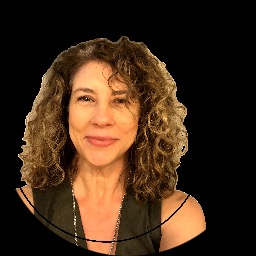
About Linda
Linda Spielman is a licensed clinical social worker (LCSW) who helps people facing stress, anxiety, trauma and abuse, bipolar disorder, depression, and major life changes. She focuses on practical ways to manage mood symptoms and cope when life feels overwhelming. Her approach is direct and compassionate, aimed at steady progress rather than quick fixes.
Linda draws on more than two decades of clinical work in North Carolina. She combines talk-based work with skills practice so people leave sessions with clear next steps.
Background and approach
She pays attention to patterns that come from family of origin, attachment, and long-standing relationship habits. Communication difficulties and feelings of emptiness or isolation are common concerns she addresses. Sessions often include tools for managing panic, intrusive thoughts, and obsessive-compulsive patterns.
She also helps people process trauma reactions and the fallout from natural or human-caused disasters. When mood shifts or disruptive behavior create chaos, she helps create structure and safety one step at a time. Linda has 23 years of experience as an LCSW and uses evidence-based therapeutic techniques tailored to each person.
She offers phone calls, video sessions, live chat, and text-based messaging to fit different schedules. Sessions are practical and goal-oriented, with attention to what works between meetings. People choose her for calm, steady guidance during difficult periods.
She explains options clearly and helps clients try small changes that add up over time.
Evidence-based approaches and online care
Linda uses evidence-based therapeutic techniques that blend skills training with deeper exploration. One common approach focuses on teaching practical coping skills for anxiety, panic, and mood instability; people learn step-by-step strategies to manage intense emotions and reduce crisis moments. Another strand of her work pays attention to attachment and family of origin patterns, helping clients notice repeating relationship habits and try new ways of relating to others.Choosing the right approach is a collaborative process. The therapist will discuss options with each person, try techniques, and adjust based on what feels useful. Goals, preferences, and daily life all guide the plan so therapy fits real needs rather than abstract theory.
Online sessions are offered by video calls, phone sessions, live chat, and text-based messaging to make therapy more flexible. Video calls allow face-to-face interaction for skill demonstrations and deeper conversation. Phone sessions can be easier when bandwidth is limited or a camera feels uncomfortable. Live chat and text messaging work well for brief check-ins, homework support, or when fitting a session into a busy day. These options help people keep momentum and access care from different locations and schedules.
Frequently asked questions
What concerns does Linda address?
What is her therapeutic style like?
How much clinical experience does she have?
Where is she licensed and based?
Which languages are available for sessions?
What session formats are offered?
How is cost handled?
How do I begin working with her?
Specialties and expertise
Top specialties
- Stress, Anxiety
- Trauma and abuse
- Bipolar disorder
Also works with
- Attachment issues
- Communication problems
- Coping with life changes
- Coping with natural or human-caused disaster
- Depression
- Disruptive Mood Dysregulation Disorder (DMDD)
- Emptiness
- Family of origin issues
- Guilt and shame
- Isolation / loneliness
- Life purpose
- Midlife crisis
- Mood disorders
- Obsessions, compulsions, and OCD
- Panic disorder and panic attacks
- Personality disorders
- Phobias
- Post-traumatic stress
- Seasonal Affective Disorder (SAD)
- Self-harm
- Self-love
- Social anxiety and phobia
- Women's issues
- Young adult issues
- Experience
- 23 years
- Licensed
- Texas, North Carolina
- Languages
- English