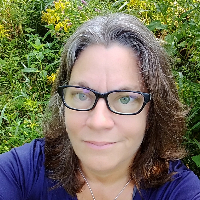
About Karen
Karen Bradt welcomes people who are worn out by worry, panic, grief, or relationship strain. She writes plainly and will take time to understand what you want to change. Karen is a licensed clinical social worker, LCSW, with 15 years of experience helping people find steadier ground.
Her approach blends talk therapy with clear education about how stress and trauma affect the brain. She teaches practical tools and action steps you can use between sessions.
Background and approach
Karen asks clients to try small experiments and then reports back what does or does not work so she can adjust plans together with them. She often starts by learning what matters most to each person and by explaining common reactions to trauma and anxiety. Then she breaks change down into manageable steps.
Those steps can be as small as sitting in another room for five minutes when agoraphobia is present, or trying brief breathing or grounding exercises before a difficult conversation. Karen pays attention to physical health as well as thoughts and feelings. She encourages finding some movement or activity that helps mood, whether that is walking, hiking, or another form of exercise.
She draws on personal experience as a hiker and wilderness first aid background when movement is part of a plan. Sessions aim to combine compassion with practical work. Clients can expect clear explanations, active problem solving, and a focus on skills they can use day to day.
Karen practices in Florida and works in English.
How therapy approaches translate to online work
Attachment-Based Therapy focuses on improving how people relate and connect. It looks at patterns from important relationships and helps people try new ways of reacting and communicating, which can reduce loneliness and conflict.Client-Centered Therapy centers on listening and responding to each person's experience without judgment. The therapist follows your lead, reflects what she hears, and helps you find your own solutions for problems like anxiety or low self-worth.
Finding the right approach is part of the process. The therapist will work collaboratively to choose methods that match your goals and comfort level. If one technique doesn’t fit, she will suggest alternatives and adjust the plan together with you.
Online formats include video calls, phone sessions, live chat, and text-based messaging. Video calls let you use face-to-face interaction and visual cues, while phone sessions can be easier when bandwidth or multitasking is a concern. Live chat and text messaging offer shorter check-ins or a way to work through thoughts between sessions. These options make scheduling more flexible and help therapy fit into busy lives.
Frequently asked questions
What concerns does this therapist address?
What is her style in therapy?
How much clinical experience does she have?
What are her credentials and practice location?
Which languages are supported for sessions?
Can international clients work with her?
What session formats are available?
How are costs and starting therapy handled?
Specialties and expertise
Top specialties
- Stress, Anxiety
- Relationship issues
- Trauma and abuse
Also works with
- Abandonment
- Addictions
- Anger management
- Attachment issues
- Avoidant personality
- Bipolar disorder
- Caregiver issues and stress
- Codependency
- Communication problems
- Control issues
- Coping with life changes
- Coping with natural or human-caused disaster
- Dependent personality
- Depression
- Dissociation
- Domestic violence
- Emptiness
- Family conflicts
- Family of origin issues
- Family problems
- First responder issues
- Grief
- Guilt and shame
- Intimacy-related issues
- Isolation / loneliness
- Jealousy
- LGBT
- Panic disorder and panic attacks
- Parenting issues
- Phobias
- Post-traumatic stress
- Pregnancy and childbirth
- Prejudice and discrimination
- Self esteem
- Sexual assault and abuse
- Sleeping disorders
- Social anxiety and phobia
- Women's issues
- Young adult issues
Therapeutic approaches
- Experience
- 15 years
- Licensed
- Florida
- Languages
- English