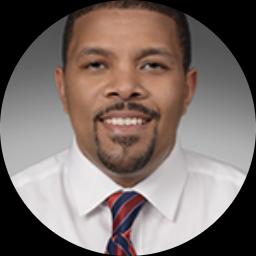
About John
John Molden helps people who feel stuck by focusing on what matters most to them. He offers straightforward support for stress, anxiety, depression, grief, addiction, and problems with self-esteem or motivation. He speaks plainly and works to make conversations feel clear and useful.
John is a licensed clinical social worker - LCSW - practicing in Georgia with eighteen years of experience. He tailors sessions to each person’s needs rather than using a one-size-fits-all plan.
Background and approach
Sessions often focus on building skills to manage strong emotions, improving everyday routines, and setting realistic goals for work and life. John uses a blend of approaches that help with thoughts, behaviors, relationships, and emotional coping. Clients can expect a calm, steady presence that aims to reduce overwhelm and increase practical coping tools.
His work includes support for trauma and abuse, addictions, caregiver stress, and major life changes. He also addresses issues tied to identity, discrimination, and life purpose. Conversations may include tracking patterns, practicing new ways of responding to stress, and identifying values that guide choices.
He also supports people dealing with cancer, adoption and foster care concerns, and the emotional fallout from disasters. John adapts his style for different needs, combining structured skill work with open, client-led conversation. He offers services in English and accepts international clients who can connect from other locations.
Therapeutic approaches for online care
Acceptance and Commitment Therapy, or ACT, helps people clarify what matters to them and take actions that match those values. It focuses on noticing thoughts without getting stuck in them and building small, value-driven steps toward change. Cognitive Behavioral Therapy, or CBT, looks at how thoughts and behaviors interact and uses structured exercises to shift unhelpful patterns. CBT can be useful for anxiety, depression, and managing stress by teaching concrete skills to reframe thinking and change routines.Finding the right approach is part of the work. The therapist will talk with each person about goals and preferences and then choose methods together. That collaborative process means techniques can be adjusted over time to match what is actually helping the client feel better and function more effectively.
Online sessions are offered as video calls, phone sessions, live chat, or text-based messaging to give flexibility. Video calls allow face-to-face interaction for skill practice and deeper conversation. Phone sessions can fit into a busy day or require less bandwidth, and text or live chat are useful for brief check-ins and ongoing coaching between longer sessions. These options make it easier to keep regular appointments and fit therapy into daily life.
Frequently asked questions
What kinds of problems does John focus on?
How would you describe his therapeutic style?
What is his professional background?
What credentials and location are listed for this therapist?
Which languages are supported and can international clients connect?
What session formats are available?
How is cost handled for sessions?
What are the first steps to begin working together?
Specialties and expertise
Top specialties
Also works with
- Addictions
- Adoption and foster care
- Anger management
- Cancer
- Career difficulties
- Caregiver issues and stress
- Coaching
- Compassion fatigue
- Control issues
- Coping with life changes
- Coping with natural or human-caused disaster
- Depression
- Drug and alcohol addiction
- Grief
- Guilt and shame
- Isolation / loneliness
- Life purpose
- Men's issues
- Midlife crisis
- Post-traumatic stress
- Prejudice and discrimination
- Relationship issues
- Seasonal Affective Disorder (SAD)
- Self-love
- Social anxiety and phobia
- Workplace issues
Therapeutic approaches
- Experience
- 18 years
- Licensed
- Georgia
- Languages
- English