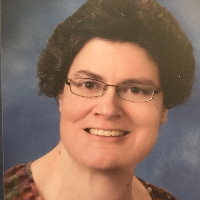
About Jennifer
Jennifer Fisher is a licensed clinical social worker (LCSW) with more than 35 years of experience. She brings a calm, practical style to sessions and aims to help people balance understanding their past with making changes that matter now. She values acceptance and meeting clients where they are in life.
She uses a mix of approaches to match each person’s needs. That can mean talking through current thoughts and behaviors, exploring emotions in relationships, or working with mindfulness exercises to steady attention.
Background and approach
Jennifer often connects emotional work with the body and life purpose so progress feels whole. Her background includes both inpatient and outpatient settings as well as independent practice. That variety gives familiarity with different challenges, from mood disorders and grief to stress and caregiving strain.
She also brings lived experience adapting to life with a disability. Sessions commonly focus on practical skills such as managing anxiety, improving communication, coping with loss, and handling major life changes. Jennifer also supports people navigating adoption and foster care issues, chronic illness, body image, and financial stress.
She emphasizes realistic steps clients can use between sessions. Jennifer holds LCSW credentials in Indiana and Arizona and practices from Indiana. Conversations are offered in English.
Her approach aims to combine clear, compassionate listening with usable tools so people can move toward greater balance and meaning.
Therapeutic approaches and how they fit online
Client-centered therapy focuses on listening and reflecting what matters most to the person. It helps people feel heard and build their own path forward through collaborative conversation. Cognitive Behavioral Therapy, or CBT, looks at thoughts and behaviors and teaches practical strategies to reduce anxiety and improve mood. Emotionally-Focused Therapy helps people name and work through strong feelings in relationships to create safer emotional connections.Choosing the right approach is a shared process. The therapist will talk with each person about goals, struggles, and preferences, and then suggest ways to combine methods that make sense. Adjustments happen over time so the work stays useful and relevant.
Online sessions are offered by video calls, phone sessions, live chat, or text-based messaging to give flexibility. Video can support deeper conversation and nonverbal cues, phone works well for lower bandwidth or a shorter check-in, and chat or messaging can suit people who prefer writing or need quick support between sessions. These options make it easier to fit therapy into work, caregiving, or health routines while keeping the focus on meaningful progress.
Frequently asked questions
What concerns can be addressed in sessions?
What is her general therapy style?
How long has she practiced clinically?
What credentials and where is she licensed?
Which languages are supported and can international clients join?
What session formats are available?
How does cost and billing work?
How do I begin working with her?
Specialties and expertise
Top specialties
Also works with
- Adoption and foster care
- Body image
- Career difficulties
- Chronic pain, illness, and disability
- Communication problems
- Compassion fatigue
- Coping with life changes
- Depression
- Emptiness
- Family of origin issues
- Family problems
- Forgiveness
- Isolation / loneliness
- Life purpose
- Money and financial issues
- Mood disorders
- Parenting issues
- Prejudice and discrimination
- Seasonal Affective Disorder (SAD)
- Self-love
- Women's issues
- Workplace issues
- Young adult issues
Therapeutic approaches
- Experience
- 35 years
- Licensed
- Indiana, Arizona
- Languages
- English