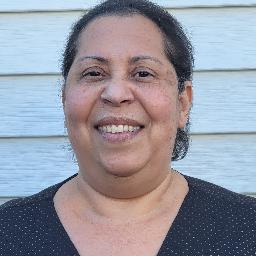
About Ivelisse
Ivelisse Concepcion is a licensed clinical social worker with deep experience helping people manage stress, anxiety, trauma, parenting challenges, depression, ADHD, relationship and family difficulties, grief, anger, and self-esteem concerns. She practices in New York and speaks English and Spanish. Ivelisse began her work in mental health in 1995 and has more than 25 years of experience.
She earned a Master of Social Work from New York University and a bachelor’s degree in psychology from College of Mount Saint Vincent.
Background and approach
Much of her earlier work focused on children and youth in community settings, and more recently she has worked with adults and couples. Her style is straightforward and practical. She meets people where they are and looks for small, useful changes that fit daily life.
Sessions focus on identifying barriers, building on strengths, and teaching concrete skills to manage strong emotions and improve relationships. Ivelisse uses a mix of approaches based on each person’s needs. She draws on client-centered work, cognitive behavioral techniques, solution-focused strategies, and trauma-focused ideas to address problems like panic attacks, mood disorders, post-traumatic stress, chronic illness, or caregiver stress.
Clients can expect a collaborative relationship that emphasizes clear goals and step-by-step progress. She aims to help people regain control over their emotions, reduce symptoms that interfere with daily life, and make decisions that reflect their values and priorities.
How her approaches translate to online care
Client-Centered Therapy focuses on listening closely and responding to each person's experience. It helps people feel heard, clarify what matters to them, and make choices that match their values. Cognitive Behavioral Therapy, or CBT, looks at how thoughts, feelings, and actions connect and teaches practical skills to change unhelpful patterns and reduce symptoms like panic or low mood. Trauma-Focused Therapy concentrates on helping people process traumatic memories and learn tools to manage reactions so daily life becomes more manageable.Deciding which approach to use is a shared process. The therapist works collaboratively to match methods to a person’s goals, preferences, and the problems they want to change. Plans are adjusted as progress is made, and techniques are chosen to suit what is most helpful for each person.
Online sessions can be scheduled as video calls, phone sessions, live chat, or text-based messaging to fit busy lives. Video is useful for deeper conversations and visual cues, phone sessions can be easier when bandwidth is limited, live chat offers short check-ins, and messaging supports ongoing reflection between appointments. These options make it simpler to fit therapy into work, caregiving, or other daily routines while keeping the focus on practical steps and measurable progress.
Frequently asked questions
What concerns does this therapist address?
What is her therapeutic style like?
How much clinical experience does she have?
What are her credentials and where is she based?
Which languages are supported for sessions?
What session formats are available?
How are fees and billing handled?
How do I begin therapy with her?
Specialties and expertise
Top specialties
- Stress, Anxiety
- Trauma and abuse
- Parenting issues
Also works with
- ADHD
- Aging and geriatric issues
- Anger management
- Antisocial personality
- Bipolar disorder
- Cancer
- Caregiver issues and stress
- Chronic pain, illness, and disability
- Coping with life changes
- Depression
- Disruptive Mood Dysregulation Disorder (DMDD)
- Family conflicts
- Family of origin issues
- Family problems
- Forgiveness
- Grief
- Guilt and shame
- Impulsivity
- Isolation / loneliness
- Mood disorders
- Panic disorder and panic attacks
- Post-traumatic stress
- Relationship issues
- Self esteem
- Self-harm
- Self-love
- Social anxiety and phobia
- Somatization
Therapeutic approaches
- Experience
- 25 years
- Licensed
- New York
- Languages
- English, Spanish