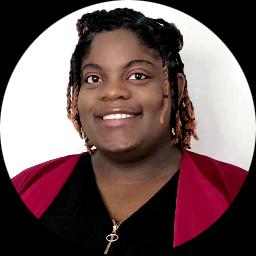
About Eustachian
Eustachian Carrier is a Licensed Clinical Social Worker who focuses on helping people take practical steps through difficult times. She writes plainly and listens closely so clients feel understood. Her work centers on supporting adolescents and adults as they sort through big emotions and life changes.
She meets people where they are and begins by learning about their daily life and immediate concerns. Early sessions focus on understanding what feels most urgent and what goals matter to the client.
Background and approach
From there she and the client set clear, achievable steps to try between sessions. Her background emphasizes short-term, skills-based approaches paired with person-centered care. She uses cognitive-behavioral ideas to spot unhelpful thinking patterns and dial back intense reactions.
She also incorporates mindfulness and emotion regulation skills to help people handle stress, grief, or impulsivity. Eustachian has four years of clinical experience and holds a Licensed Clinical Social Worker credential - LCSW. She practices in Florida and offers sessions intended to fit into busy lives.
Her style is collaborative and straightforward, with homework that feels useful rather than overwhelming. Common concerns she addresses include adoption and foster care questions, aging and end-of-life topics, family conflict, codependency, communication struggles, guilt and shame, feelings of emptiness or isolation, and problems with control or impulsivity. She helps clients identify values and move toward a clearer sense of purpose.
How evidence-based techniques translate to online care
Evidence-based therapeutic techniques like cognitive behavioral approaches and mindfulness-based strategies are often used to help people change unhelpful thoughts and build practical coping skills. Cognitive-behavioral ideas focus on noticing thought patterns and testing different responses to reduce anxiety or depression. Mindfulness-based practices teach simple attention and breathing exercises that can lower reactivity and improve emotional regulation.Finding the right approach is part of the work together. The therapist will talk with the client about goals, preferences, and what has or has not helped in the past. Together they will try techniques and adjust the plan based on what feels useful and realistic for the person's life.
Online formats include video calls, phone sessions, live chat, and text-based messaging to make scheduling easier and to fit different needs. Video lets the therapist and client work face to face when that matters. Phone sessions can be shorter check-ins or a helpful option when bandwidth is limited. Live chat and text allow on-the-go check-ins and frequent reflections between longer sessions. These options aim to make ongoing work more flexible and accessible for busy schedules.
Frequently asked questions
What concerns does she help with?
What is her therapeutic style?
How much clinical experience does she have?
Where is she licensed to practice?
Which languages are offered for sessions?
Can international clients work with her?
What session formats are available?
How are costs and starting handled?
Specialties and expertise
Also works with
- Adoption and foster care
- Aging and geriatric issues
- Codependency
- Communication problems
- Control issues
- Dependent personality
- Disruptive Mood Dysregulation Disorder (DMDD)
- Domestic violence
- Emptiness
- Family problems
- Guilt and shame
- Hospice and end-of-life counseling
- Impulsivity
- Isolation / loneliness
- Life purpose
- Money and financial issues
- Mood disorders
- Panic disorder and panic attacks
- Post-traumatic stress
- Self-harm
- Self-love
- Social anxiety and phobia
- Workplace issues
- Young adult issues
- Experience
- 4 years
- Licensed
- Florida
- Languages
- English