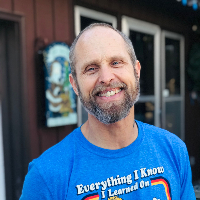
About David
David Krych is a Licensed Clinical Social Worker who helps people handle stress, anxiety, addictions, relationship and parenting struggles. He speaks plainly and focuses on practical steps people can try between sessions. Many who come to him are looking for steady guidance and a nonjudgmental place to talk about change.
He brings 19 years of clinical experience and a long personal journey in recovery to his work. That background includes years supporting adolescents early in his career and later helping adults with substance use and its ripple effects.
Background and approach
He frames problems as part of a life story rather than as fixed labels, and he draws on real-world experience when talking about recovery and coping. In sessions he focuses on learning what matters to each person and on small, doable steps toward better days. He listens for strengths people already use and helps apply those strengths to current goals.
He emphasizes self-acceptance and compassion as starting points for change. David uses a mix of practical approaches to address thinking patterns, emotions, and motivation. He helps people clarify values, work through loss or family wounds, and build skills for handling strong feelings.
His style is straightforward, calm, and aimed at helping people move toward lives with more meaning. He works from Wisconsin and offers support for a wide range of concerns including grief, trauma, mood disorders, eating struggles, parenting stress, and issues around intimacy and life purpose. Sessions aim to be collaborative, with goals set together and progress checked along the way.
Approach-driven online therapy that fits your life
David blends Client-Centered Therapy with Cognitive Behavioral Therapy to help people clarify goals and change unhelpful thinking. Client-Centered Therapy focuses on understanding each person's experience and building trust through listening and acceptance. Cognitive Behavioral Therapy looks at the links between thoughts, feelings, and actions and teaches practical tools to reduce anxiety, depression, and problematic behaviors.Finding the right approach is part of the work together. He will talk with each person about their goals and preferences and then try methods that match those needs. The process is collaborative, with regular check-ins to see what helps and what to adjust.
Online formats include video calls, phone sessions, live chat, and text-based messaging to make care more flexible. Video works well for deeper conversations and visual cues, phone calls can fit a busy day or lower bandwidth, and chat or messaging suit brief check-ins, coaching-style support, or tracking progress between sessions. These options let people fit therapy into work, family, or recovery routines while still using evidence-informed approaches.
Frequently asked questions
What kinds of problems does David help with?
How would you describe his therapeutic style?
What is his professional background?
What credentials and location are listed?
Which languages are supported and can international clients participate?
What session formats are offered?
How are costs and billing handled?
How do I begin working with him?
Specialties and expertise
Top specialties
Also works with
- Abandonment
- Anger management
- Bipolar disorder
- Body image
- Caregiver issues and stress
- Co-morbidity
- Coaching
- Codependency
- Communication problems
- Compassion fatigue
- Coping with life changes
- Depression
- Drug and alcohol addiction
- Eating disorders
- Emptiness
- Family conflicts
- Family of origin issues
- Family problems
- Fatherhood issues
- Forgiveness
- Grief
- Guilt and shame
- Isolation / loneliness
- Life purpose
- Men's issues
- Midlife crisis
- Parenting issues
- Relationship issues
- Seasonal Affective Disorder (SAD)
- Self-love
- Social anxiety and phobia
- Trauma and abuse
- Workplace issues
Therapeutic approaches
- Experience
- 19 years
- Licensed
- Wisconsin
- Languages
- English