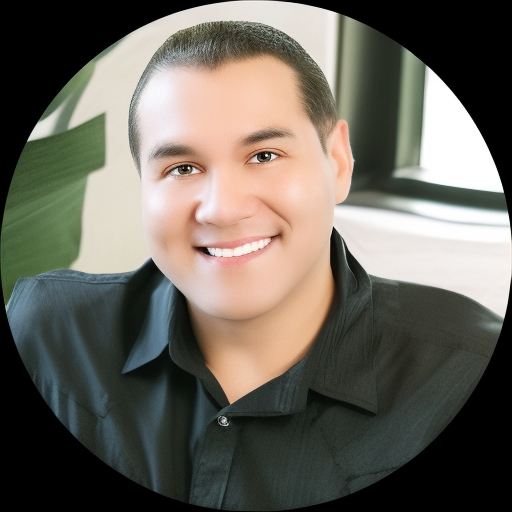
About Daniel
Daniel Lozoya is a licensed clinical social worker who helps people facing anxiety, depression, trauma, and low self-esteem. He offers straightforward support for LGBT concerns, stress, and isolation. Sessions are available in English and Spanish and take place online through video, phone, live chat, or text.
He focuses on understanding each person's story and the day-to-day trouble they bring. Daniel uses evidence-based therapeutic techniques to help people manage symptoms, make practical changes, and build more reliable coping skills.
Background and approach
Conversations are aimed at small, concrete steps rather than abstract talk. His background includes four years working with people who face discrimination, immigration-related stress, and challenges tied to identity and health. That experience informs a culturally aware approach that pays attention to how social pressures affect mood and relationships.
Daniel supports people dealing with a wide range of concerns such as attachment and abandonment, body image, gender dysphoria, chronic pain or illness, and issues related to military or first responder life. He also addresses guilt, shame, eating and control struggles, and questions about life purpose. Therapy with him tends to be collaborative.
He helps clients set clear goals, test small changes, and track progress. Practical tools and regular check-ins are used to keep work focused and useful.
How evidence-based approaches work in online sessions
Evidence-based therapeutic techniques focus on practical skills and clear steps people can use between sessions. One commonly used approach emphasizes identifying unhelpful patterns in thoughts and behaviors, then testing new, healthier ways of reacting; it helps with anxiety, depression, and stress-related problems. Another approach centers on processing past hurts and traumatic memories through structured, paced work so difficult experiences feel less overwhelming and get clearer meaning.Finding the best approach is part of the work. The therapist will discuss options and decide together which techniques fit the client's goals, needs, and comfort. This collaborative process means methods can be adjusted over time as progress is tracked.
Online sessions offer flexibility for busy schedules and different needs. Video calls let the therapist and client talk more like an in-person visit, while phone sessions can be easier when bandwidth or camera use is limited. Live chat and text messaging are useful for brief check-ins, on-the-spot coping strategies, or people who prefer not to use video. These formats make it simpler to fit therapy into work, school, or caregiving routines while still working with licensed professionals.
Frequently asked questions
What issues does Daniel focus on?
What is his therapeutic style like?
How much experience does he have?
Where is he licensed and based?
Which languages are supported in sessions?
What session formats are available?
How are costs handled?
How do I begin working with him?
Specialties and expertise
Top specialties
Also works with
- Abandonment
- Attachment issues
- Body image
- Chronic pain, illness, and disability
- Control issues
- Depression
- Eating and food-related issues
- First responder issues
- Gender dysphoria
- Guilt and shame
- HIV / AIDS
- Immigration issues
- Isolation / loneliness
- Life purpose
- Men's issues
- Mood disorders
- Obsessions, compulsions, and OCD
- Panic disorder and panic attacks
- Post-traumatic stress
- Prejudice and discrimination
- Process addiction (porn, exercise, gambling)
- Seasonal Affective Disorder (SAD)
- Self esteem
- Self-love
- Social anxiety and phobia
- Veteran and Armed Forces Issues
- Workplace issues
- Young adult issues
- Experience
- 4 years
- Licensed
- Texas
- Languages
- English, Spanish