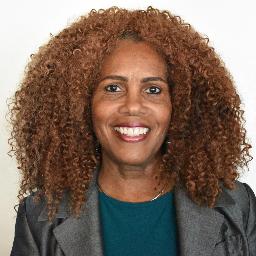
About Cynthia
Cynthia Rumford-Jones offers practical, person-focused therapy rooted in client-centered care. She brings 22 years of experience as a Licensed Clinical Social Worker, LCSW, in California and focuses on helping people manage stress, anxiety, depression, and the fallout from life changes. Cynthia uses clear, compassionate guidance to help people move forward when they feel stuck.
She works with people facing anger, low self-esteem, relationship and family challenges, grief, trauma, and eating or parenting concerns.
Background and approach
Her approach also addresses ADHD, bipolar concerns, and issues related to adoption and foster care. Cynthia uses straightforward tools so people can try small changes that add up. Cynthia blends cognitive behavioral ideas with mindfulness and skills drawn from dialectical behavior therapy.
She also uses motivational interviewing and solution-focused techniques to help clarify goals and keep momentum. Sessions aim to teach practical coping skills, reduce overwhelm, and build better routines. Her style is warm and interactive.
She helps people name problems, set realistic goals, and practice new ways of responding to stress. Work in therapy is collaborative and paced to each person’s needs. Based in California, Cynthia provides sessions in English.
She offers video calls, phone sessions, live chat, and text-based messaging. To begin, people complete a short matching questionnaire and schedule sessions that fit their life.
Therapeutic approaches that translate well online
Client-centered therapy focuses on listening without judgment and helping people find their own solutions. Online sessions let the therapist and client talk through concerns, clarify goals, and work at a comfortable pace. Cognitive Behavioral Therapy, or CBT, looks at how thoughts, feelings, and actions connect. In sessions Cynthia helps people try small, concrete changes and practice new coping strategies between meetings.Finding the right approach is part of the work together. The therapist will discuss goals, preferences, and what has or hasn’t helped before. That conversation guides which methods to use and how to adapt them for online sessions so the plan fits each person’s needs.
Online therapy offers practical flexibility. Video calls support face-to-face conversations and skills practice. Phone sessions can be a good option when bandwidth is limited or a shorter check-in fits the day. Live chat and text-based messaging make it easier to share quick updates, ask for coping reminders, or follow up after a session. These formats let people fit therapy into busy lives while working with licensed professionals to build lasting skills and clearer routines.
Frequently asked questions
What issues does she help with?
What is her style in sessions?
How much clinical experience does she have?
What are her credentials and where is she based?
Can I work with her if I live outside the United States?
What formats are available for sessions?
How does payment and cost work?
How do I get started with her?
Specialties and expertise
Top specialties
- Stress, Anxiety
- Anger management
- Self esteem
Also works with
- ADHD
- Adoption and foster care
- Antisocial personality
- Bipolar disorder
- Blended family issues
- Commitment issues
- Communication problems
- Control issues
- Coping with life changes
- Depression
- Divorce and separation
- Eating and food-related issues
- Eating disorders
- Emptiness
- Family conflicts
- Family of origin issues
- Family problems
- Fatherhood issues
- Forgiveness
- Grief
- Guilt and shame
- Impulsivity
- Isolation / loneliness
- Jealousy
- Life purpose
- Midlife crisis
- Mood disorders
- Multicultural concerns
- Panic disorder and panic attacks
- Paranoia
- Parenting issues
- Post-traumatic stress
- Prejudice and discrimination
- Relationship issues
- Self-love
- Sexual assault and abuse
- Social anxiety and phobia
- Trauma and abuse
- Women's issues
- Young adult issues
Therapeutic approaches
- Experience
- 22 years
- Licensed
- California
- Languages
- English