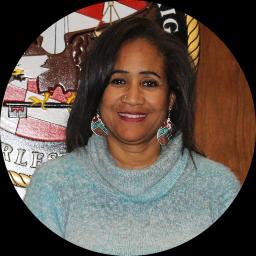
About Crystal
Dr. Crystal Brown-Voeltz greets people with direct care and plain talk. She is a Licensed Clinical Social Worker - LCSW with more than 32 years in behavioral health, and she brings practical focus to stressful life moments.
Many clients come for anxiety, depression, grief, relationship strains, parenting pressures, career questions, or changes in life direction. She served in the Marines and has worked in mental health, juvenile justice, and with the Department of Defense.
Background and approach
That history includes supporting people facing trauma, loss, substance concerns, and complex legal or medical situations. In recent years she has also helped clients manage chronic health conditions and life transitions. Her style is caring, honest, and straightforward.
She treats people with respect and asks them to take responsibility for the steps they want to make. She believes people are not their diagnosis but live with it, and she prefers clear goals and time-limited work when that fits. She uses a mix of approaches to match each person - cognitive tools, mindfulness, motivational interviewing, client-centered conversations, and solution-focused planning.
Sessions often include practical exercises, breathing strategies, and steps to try between meetings. Dr. Brown-Voeltz looks for people who are ready to identify concerns, use their strengths, and do the work of change.
She offers straightforward coaching, encouragement, and accountability while helping clients move toward the life they want.
Approaches that guide online sessions
Dr. Brown-Voeltz uses cognitive behavioral tools to help people notice unhelpful thought patterns and try small behavioral experiments. CBT is useful for anxiety, depression, and problem-focused change because it links thoughts, feelings, and actions in practical steps.She also uses mindfulness practices to help people learn simple breathing and attention techniques. Mindfulness can reduce reactivity, ease stress, and provide ways to manage strong emotions in the moment.
Finding the right approach is a shared process. The therapist will talk with each person about goals, preferences, and what has or hasn't worked before. Together they decide whether to emphasize cognitive strategies, mindfulness, motivational interviewing, or solution-focused planning so the work fits the person's needs.
Online sessions are offered as video calls, phone sessions, live chat, or text-based messaging to make therapy flexible. Video allows face-to-face conversation and visual cues, phone can be easier when bandwidth is limited, short check-ins fit well with chat, and messaging supports ongoing reflection between meetings. These options help people fit therapy into work, caregiving, or busy days while keeping the focus on practical change.
Frequently asked questions
What concerns does this therapist commonly address?
What is her general therapeutic style?
How much clinical experience does she have?
What credentials does she hold and where is she based?
Which languages are supported and are international clients accepted?
What session formats are available online?
How does billing and cost work?
How do I begin working with her?
Specialties and expertise
Top specialties
Also works with
- Anger management
- BDSM, kink, and alternative sex culture
- Bipolar disorder
- Career difficulties
- Communication problems
- Compassion fatigue
- Coping with life changes
- Divorce and separation
- Domestic violence
- Emptiness
- Family conflicts
- Forgiveness
- Grief
- Guilt and shame
- Intimacy-related issues
- Isolation / loneliness
- Jealousy
- Life purpose
- Money and financial issues
- Parenting issues
- Prejudice and discrimination
- Relationship issues
- Seasonal Affective Disorder (SAD)
- Self-love
- Social anxiety and phobia
- Veteran and Armed Forces Issues
- Workplace issues
- Young adult issues
Therapeutic approaches
- Experience
- 32 years
- Licensed
- South Carolina, Tennessee, Maryland
- Languages
- English