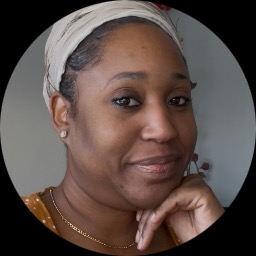
About Chenelle
Chenelle Forbes is a licensed clinical social worker in New York with eight years of experience. She supports people facing stress, anxiety, trauma and abuse, low self-esteem, depression, and major life transitions. She approaches work with respect for each person's strengths and story.
Chenelle aims to make the first steps toward change feel possible and manageable. Chenelle sees people as the experts on their own lives. She uses that perspective to help clients notice strengths and make small, steady changes.
Background and approach
Sessions focus on practical steps people can try between meetings and on talking through painful or confusing feelings. Her practice pays attention to relationship patterns such as attachment and abandonment, and to how control issues, communication problems, and guilt or shame shape daily life. Chenelle also supports work around grief, hospice and end-of-life concerns, and challenges linked to HIV and AIDS.
She helps people sort through money worries, questions of life purpose, and the isolation that comes with loneliness or infidelity. Men’s issues and rebuilding self-love are other areas she addresses. The goal is clearer choices, not quick fixes.
Sessions are offered in English and conducted with a straightforward, respectful style. Chenelle encourages small experiments, reflection, and steady progress so clients can move toward a more satisfying life.
Evidence-Based Approaches and Online Care
Chenelle uses evidence-informed techniques that focus on real-world change. One approach emphasizes building coping skills for stress and anxiety through simple, teachable practices people can use daily. This helps reduce overwhelming moments and improve day-to-day functioning. Another approach focuses on processing trauma and painful memories at a pace the person chooses, aiming to reduce their hold on current feelings and behavior.Finding the right approach is a collaborative effort. Chenelle will talk with each person about their goals, history, and preferences. Together they decide which strategies to try first and adjust as needed based on what is helpful.
Online therapy options include video calls, phone sessions, live chat, and text-based messaging. Video sessions allow face-to-face conversation when that feels useful. Phone sessions can be easier when bandwidth is limited or a person prefers not to be on camera. Live chat and text messaging are useful for brief check-ins, reflections between sessions, or when someone needs shorter, more frequent contact. These formats give flexibility for busy schedules and different comfort levels.
Frequently asked questions
What concerns does this therapist commonly address?
What is her therapeutic style like?
How much experience does she have?
What credentials and location are listed for this therapist?
Which languages and international arrangements are available?
What session formats does she offer?
How is cost handled for sessions?
How do I begin working with her?
Specialties and expertise
Top specialties
Also works with
- Abandonment
- Attachment issues
- Communication problems
- Control issues
- Coping with life changes
- Depression
- Emptiness
- Forgiveness
- Guilt and shame
- HIV / AIDS
- Hospice and end-of-life counseling
- Infidelity
- Isolation / loneliness
- Life purpose
- Men's issues
- Money and financial issues
- Self-love
- Workplace issues
- Young adult issues
- Experience
- 8 years
- Licensed
- New York
- Languages
- English