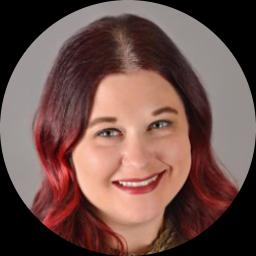
About Chelsey
Chelsey Merchant is a licensed clinical social worker who uses a client-centered approach to help people facing stress, anxiety, trauma, and depression. She emphasizes each person’s strengths and works alongside them to make practical changes. Chelsey writes simply and directly, making space for hard things and starting where a person is.
She draws on cognitive behavioral tools to identify unhelpful thoughts and to build new coping skills. Dialectical behavior techniques are used for emotional regulation and distress tolerance when feelings feel overwhelming.
Background and approach
Mindfulness and narrative methods help people notice patterns and tell their story in ways that reduce shame. Chelsey has five years of professional experience as an LCSW in Utah. That experience includes supporting people with grief, self-esteem struggles, body image concerns, and mood disorders.
She also addresses relationship and intimacy-related issues, career stress, and challenges linked to gender identity and LGBT concerns. Her additional focus areas include work with eating and food-related issues, dissociation, post-traumatic stress symptoms, and compassion fatigue. She also talks with people about forgiveness, guilt and shame, and end-of-life matters.
Chelsey pays attention to practical steps that fit into daily life. When someone reaches out, she begins by listening and learning what matters most to them. From there she and the person set small, achievable goals.
Sessions aim to be clear, steady, and focused on real-world changes that feel manageable.
Combining practical approaches with online access
Cognitive Behavioral Therapy helps people notice and change thoughts and behaviors that keep problems going. It is useful for anxiety, depression, and patterns that make daily life harder. Dialectical Behavior Therapy offers concrete skills for managing intense emotions and reducing self-harm urges. It emphasizes distress tolerance, emotion regulation, and better interpersonal interactions. Chelsey approaches therapy collaboratively. She listens first, then helps figure out which methods fit a person’s needs and goals. Together they set small steps and adjust the plan as progress is made. Online formats make fitting therapy into a busy life easier. Video calls allow face-to-face conversation when in-person visits are difficult. Phone sessions work well when bandwidth is limited or when a shorter check-in is needed. Live chat and text-based messaging suit quick questions, ongoing coping support, and people who prefer writing over speaking. These options provide flexibility for scheduling, let people choose the way they connect, and support steady progress using the approaches described above.Frequently asked questions
What concerns does she help with?
What is her general therapy style?
How much clinical experience does she have?
What are her credentials and where is she based?
Which languages are sessions offered in?
What session formats are available?
How does billing and cost work?
How do I begin working with her?
Specialties and expertise
Top specialties
Also works with
- BDSM, kink, and alternative sex culture
- Bipolar disorder
- Body image
- Career difficulties
- Compassion fatigue
- Coping with life changes
- Depression
- Dissociation
- Divorce and separation
- Eating and food-related issues
- Eating disorders
- Forgiveness
- Gender dysphoria
- Guilt and shame
- Hospice and end-of-life counseling
- Intimacy-related issues
- Isolation / loneliness
- LGBT
- Mood disorders
- Post-traumatic stress
- Relationship issues
- Seasonal Affective Disorder (SAD)
- Self esteem
- Self-harm
- Self-love
- Sexual assault and abuse
- Sexuality
- Social anxiety and phobia
- Women's issues
- Workplace issues
- Young adult issues
Therapeutic approaches
- Experience
- 5 years
- Licensed
- Utah
- Languages
- English