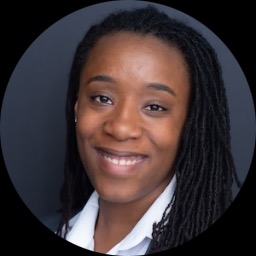
About Chaunise
Dr. Chaunise 'Chaun' Powell meets people where they are and helps them take the next step. She brings a direct, conversational style and a dose of humour to sessions, while keeping focus on what matters.
She is a Licensed Clinical Social Worker, LCSW, practicing in California and has ten years of experience. She works with people facing stress, anxiety, grief, trauma and struggles with self-esteem. She also supports those coping with big life changes.
Background and approach
Many clients come to address feelings of overwhelm, anger, sadness, or low motivation. In sessions she speaks plainly and calls attention to what may be avoided. The work is collaborative and action-oriented.
Clients can expect practical strategies, honest feedback, and a focus on making day-to-day life more manageable. Dr. Powell draws from community-defined practices and evidence-based techniques to build resilience and stronger self-regard.
She offers tools to manage difficult emotions and to improve communication and boundaries. The goal is gradual change that fits each persons life. She also addresses concerns such as blended family issues, codependency, fertility-related stress, and feelings of isolation.
Themes like guilt, shame, life purpose, sexuality, and experiences of prejudice may be included when relevant to the client's goals. Sessions are offered in English and are available through multiple online formats. The approach focuses on steady progress, honest dialogue, and practical steps toward living a more fulfilling life.
Evidence-based approaches and online care
Dr. Powell uses straightforward, evidence-based techniques to help people manage difficult feelings and build resilience. One common approach emphasizes practical skills for emotional regulation and coping - it teaches step-by-step strategies to reduce overwhelm and handle anxiety in daily life. Another approach focuses on processing difficult experiences and trauma by helping people name what happened, understand its impact, and build healthier responses to triggers.Choosing the right approach is a collaborative process. The therapist will work with each person to identify goals, try methods that fit their needs, and adjust the plan over time. The focus is on what works for that individual, not a one-size-fits-all method.
Online therapy offers flexible ways to connect. Video calls allow face-to-face conversation when visual cues matter. Phone sessions can be easier when internet bandwidth is limited or when someone prefers not to be on camera. Live chat and text-based messaging are useful for brief check-ins, ongoing skill practice, or when a shorter form of contact fits a busy day. These options make it simpler to maintain regular work toward goals while fitting therapy into daily life.
Frequently asked questions
What concerns does this therapist commonly address?
How would you describe the therapy style here?
What background and experience does she bring?
What are the therapist's credentials and where are they based?
Which languages and international arrangements are supported?
What session formats are available?
How is cost handled for sessions?
How do I begin working with this therapist?
Specialties and expertise
Top specialties
Also works with
- Experience
- 10 years
- Licensed
- California
- Languages
- English