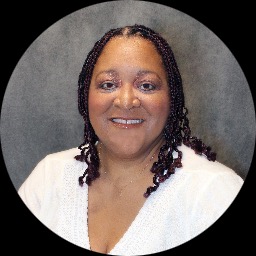
About Charlotte
Dr. Charlotte Richardson helps people manage stress, anxiety, depression, grief, and issues related to LGBT identity. She also supports people facing family conflict, panic attacks, mood problems, and the fallout from divorce or separation.
She introduces herself simply and calmly so a worried parent can read without extra jargon. Charlotte uses clear, down-to-earth conversation to help people name what feels hard. She aims to make sessions feel like a steady, nonjudgmental space where clients can speak openly.
Background and approach
Her manner is warm and practical, and she works alongside each person to set small, achievable steps. She draws on nearly 11 years of experience as a licensed clinical social worker in California - LCSW. That background includes helping people cope with grief, chronic illness, caregiver stress, and body image concerns.
Practical problem solving is part of her approach when life feels overwhelming. Her toolbox includes approaches that focus on the person, thoughts, and present goals. She uses client-centered methods to follow the client’s lead.
Cognitive Behavioral Therapy helps with anxious thoughts and panic symptoms, and solution-focused techniques support quick, concrete changes. Charlotte believes finding what works often takes small experiments together. She invites questions and adjusts plans as needs change.
The aim is clearer thinking, less intense mood swings, and better daily coping skills.
Approaches that translate well to online care
Client-Centered Therapy focuses on listening and following the client’s lead. The therapist creates space for people to talk through what matters most and helps them find their own solutions; this can help with identity questions, grief, and relationship stress.Cognitive Behavioral Therapy, or CBT, looks at thoughts and behaviors that keep problems going. It breaks down anxiety, panic, and low mood into manageable parts and uses practical exercises to shift unhelpful patterns.
Finding the right approach is a collaborative process. The therapist will discuss goals, try methods that fit the person’s needs, and adjust the plan over time. Clients are invited to give feedback so the work stays relevant and useful.
Online therapy offers flexibility in how sessions happen. Video calls allow face-to-face conversation when visual cues matter. Phone sessions are good when bandwidth is limited or a person prefers not to use video. Live chat and text-based messaging suit brief check-ins, quick coping tools, or people who prefer writing to speaking. These options make it easier to keep consistent work alongside school, job, or caregiving demands.
Frequently asked questions
What concerns does this therapist help with?
How would you describe the therapy style here?
What experience does the therapist have?
Is this therapist licensed and where are they located?
Are sessions available in other languages or internationally?
What session formats are offered?
How does payment and cost work?
How do I begin working with this therapist?
Specialties and expertise
Top specialties
- Stress, Anxiety
- LGBT
- Family conflicts
Also works with
- Abandonment
- Body image
- Caregiver issues and stress
- Chronic pain, illness, and disability
- Communication problems
- Control issues
- Depression
- Divorce and separation
- Forgiveness
- Grief
- Guilt and shame
- Isolation / loneliness
- Life purpose
- Midlife crisis
- Money and financial issues
- Mood disorders
- Panic disorder and panic attacks
- Pregnancy and childbirth
- Self-love
- Sexuality
- Social anxiety and phobia
- Women's issues
- Workplace issues
Therapeutic approaches
- Experience
- 11 years
- Licensed
- California
- Languages
- English