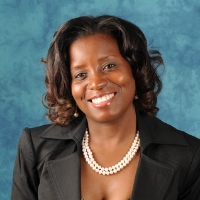
About Carissa
Dr. Carissa Ferguson-thomas is a Licensed Clinical Social Worker with more than 22 years of experience. She trained in clinical psychology and social work and now offers practical therapy grounded in everyday language.
She meets people where they are and focuses on clear steps to reduce distress and rebuild routines. Her background includes work with depression, anxiety, panic attacks, phobias, and obsessive-compulsive symptoms. She also helps people facing relationship strains, family problems, grief, and major life transitions.
Background and approach
Caregiver stress, communication breakdowns, and challenges around intimacy or trust are common topics she addresses. Dr. Ferguson-thomas uses Cognitive Behavioral Therapy as a core approach and blends other person-centered and trauma-informed elements.
In sessions she helps people identify patterns of thought and behavior and then tries out new ways of coping. The work is collaborative and practical, with small, doable steps between meetings. Her style is warm and straightforward.
She aims to create a calm, nonjudgmental space so people can speak honestly about what’s hard. Time is spent on problem-solving and building skills that fit daily life. She practices in New Jersey and offers multiple ways to meet, including video calls and phone sessions.
Language of service is English, and she supports people navigating parenting stress, relationship conflict, grief, and questions of life purpose.
How CBT and Online Sessions Work Together
Dr. Ferguson-thomas uses Cognitive Behavioral Therapy to help people notice and change unhelpful thoughts and routines. CBT breaks big problems into small, practical steps such as tracking thoughts, testing beliefs, and trying different behaviors to see what helps. This approach is often used for anxiety, panic, depression, and problems with worry or avoidance.She also draws on person-centered and trauma-informed ideas to make room for each person’s history and strengths. That means therapy is shaped by the client’s goals and pace, and the therapist helps pick methods that feel right. Finding the right mix is a collaborative process and she adjusts the approach as needs change.
Online formats include video calls, phone sessions, live chat, and text-based messaging. Video lets people use face-to-face interaction when helpful. Phone sessions can be a simpler option when bandwidth is limited or a quick check-in is needed. Live chat and messaging work well for brief updates, ongoing support between sessions, or when writing feels easier than speaking. These options make it easier to fit therapy into busy schedules and to keep momentum between meetings.
Frequently asked questions
What kinds of concerns does she address?
How would you describe her therapy style?
What is her professional background?
What credentials and location apply to her practice?
Which languages are available for sessions?
What session formats are offered?
How are costs and billing handled?
How do I begin working with her?
Specialties and expertise
Top specialties
- Stress, Anxiety
- Relationship issues
- Family conflicts
Also works with
- Anger management
- Caregiver issues and stress
- Communication problems
- Control issues
- Coping with life changes
- Depression
- Divorce and separation
- Emptiness
- Family of origin issues
- Family problems
- Fatherhood issues
- Forgiveness
- Grief
- Guilt and shame
- Infidelity
- Intimacy-related issues
- Isolation / loneliness
- Jealousy
- Life purpose
- Panic disorder and panic attacks
- Parenting issues
- Phobias
- Postpartum depression
- Self esteem
- Self-love
- Social anxiety and phobia
- Trauma and abuse
- Women's issues
- Workplace issues
Therapeutic approaches
- Experience
- 22 years
- Licensed
- New Jersey, Pennsylvania
- Languages
- English