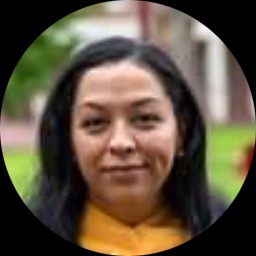
About Arely
Arely Garcia is a licensed clinical social worker practicing in Colorado with three years of professional experience. She offers straightforward support for people feeling overwhelmed by stress, anxiety, low mood, or grief. Arely speaks English and Spanish and aims to make starting therapy as simple as possible.
She focuses on helping clients manage life transitions and rebuild confidence after loss. Sessions focus on practical tools people can use between meetings.
Background and approach
Arely creates a calm space where thoughts and feelings are shared without judgment. Her work often covers self esteem, motivation, and coping with changes such as separation or bereavement. She also addresses concerns tied to aging, body image, family of origin issues, and challenges related to immigration and fertility.
First responder issues and end-of-life or hospice conversations are part of her background as well. Arely uses a mix of approaches to suit individual needs, including acceptance and commitment ideas, cognitive behavior techniques, and skills drawn from dialectical behavior methods. She leans on client-centered and attachment-informed perspectives to build trust and clarity in sessions.
People who prefer practical steps and a collaborative tone may find her approach helpful. She supports clients in setting small, achievable goals and practicing new skills between sessions. Taking the first step is often the hardest part, and she aims to make that step easier for each person.
Approaches that shape online sessions
Acceptance and Commitment Therapy (ACT) focuses on noticing difficult thoughts and choosing actions that match personal values. It helps people move forward even when emotions are hard to manage. Cognitive Behavioral Therapy (CBT) looks at patterns of thought and behavior and teaches concrete skills to reduce worry and low mood. These strategies are useful for anxiety, depression, and stress. Attachment-Based Therapy emphasizes how early relationships affect current connections and helps people build more supported ways of relating.Finding the best approach is a collaborative process. The therapist listens to your goals and tries different methods to see what fits. Together you decide which tools and practices make the most sense for daily life and long-term change.
Online sessions using video calls, phone, live chat, or text-based messaging make it easier to fit therapy into a busy routine. Video calls allow face-to-face conversation and nonverbal cues. Phone sessions work well when bandwidth or visuals are limited. Chat and text are useful for brief check-ins, skill practice, or when typing feels easier than speaking. These options give flexibility for regular work on goals without long travel or schedule disruption.
Frequently asked questions
What kinds of problems does she help with?
How would you describe her therapy style?
What is her background and experience?
Where is she licensed and practicing?
Which languages are supported in sessions?
What formats are available for sessions?
How does payment and cost work?
How do I begin working with her?
Specialties and expertise
Top specialties
Also works with
- Aging and geriatric issues
- Body image
- Communication problems
- Coping with life changes
- Coping with natural or human-caused disaster
- Depression
- Divorce and separation
- Emptiness
- Family of origin issues
- Family problems
- Fatherhood issues
- Fertility issues
- First responder issues
- Forgiveness
- Guilt and shame
- Hospice and end-of-life counseling
- Immigration issues
- Isolation / loneliness
- Life purpose
- Multicultural concerns
- Post-traumatic stress
- Postpartum depression
- Pregnancy and childbirth
- Prejudice and discrimination
- Seasonal Affective Disorder (SAD)
- Self-love
- Social anxiety and phobia
- Traumatic brain injury
- Women's issues
- Young adult issues
Therapeutic approaches
- Experience
- 3 years
- Licensed
- Colorado
- Languages
- English, Spanish