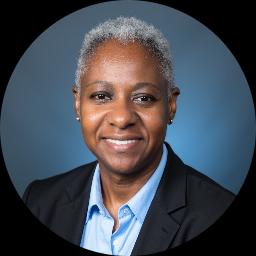
About Acquanita
Acquanita Pettis is a licensed social worker who helps people facing stress, anxiety, trauma, and struggles with self-esteem. She offers steady, empathetic support for those navigating identity concerns and the wounds left by past relationships or abuse. She uses straightforward talk and careful listening to make sense of what is happening now.
Sessions focus on small, practical steps clients can try between meetings. The tone is warm and direct, with attention to how thoughts and relationships shape daily life.
Background and approach
With 12 years of experience, Acquanita draws from approaches that pay attention to attachment patterns, emotions, and practical coping skills. She guides people through anger, grief, shame, and confusion so they can move toward clearer goals. Work might include identifying unhelpful thoughts, learning emotion regulation skills, and repairing ways of relating to others.
Her background includes licensure in both North Carolina and South Carolina: NC LCSW C016758 and SC LISW-CP 16505. She practices in South Carolina and conducts sessions in English. Acquanita values openness and respects each person’s pace during the change process.
People come to her for a mix of short-term problem solving and longer-term personal growth. She supports those dealing with addiction, divorce, caregiver stress, family-of-origin issues, and questions about life purpose. The work centers on practical tools and clearer understanding of patterns that hold people back.
Therapeutic approaches adapted for online care
Attachment-Based Therapy centers on how early relationships shape current connections. In online sessions this approach helps identify recurring patterns in relationships and how they affect trust and closeness. Cognitive Behavioral Therapy focuses on the link between thoughts, feelings, and actions and gives clear strategies for changing unhelpful thinking and behavior. It is useful for anxiety, stress, and mood concerns and translates well to skill-focused work during virtual visits.Finding the right approach is part of the work. The therapist will talk with each person about goals, preferences, and what feels most helpful. Together they choose which methods to use and adjust them as progress unfolds so the plan remains practical and relevant.
Online therapy offers several practical benefits. Video calls allow face-to-face conversation and visual cues, while phone sessions use less bandwidth and can be easier when video is not possible. Live chat and text-based messaging let people check in between sessions, complete shorter check-ins, or work through immediate moments without scheduling a full call. These options provide flexibility so therapy can fit around work, caregiving, or other daily demands.
Frequently asked questions
What concerns does she address?
What is her therapeutic style like?
How much clinical experience does she have?
What are her credentials and where is she based?
Which languages and international options are available?
In what formats are sessions offered?
How does payment and cost work?
What steps are needed to begin therapy?
Specialties and expertise
Top specialties
Also works with
- Abandonment
- Anger management
- Antisocial personality
- Attachment issues
- Caregiver issues and stress
- Codependency
- Communication problems
- Control issues
- Disruptive Mood Dysregulation Disorder (DMDD)
- Divorce and separation
- Drug and alcohol addiction
- Family of origin issues
- Family problems
- Forgiveness
- Guilt and shame
- Life purpose
- Panic disorder and panic attacks
- Personality disorders
- Post-traumatic stress
- Prejudice and discrimination
- Self esteem
- Self-harm
- Self-love
- Sexual assault and abuse
- Social anxiety and phobia
- Young adult issues
Therapeutic approaches
- Experience
- 12 years
- Licensed
- South Carolina, North Carolina
- Languages
- English