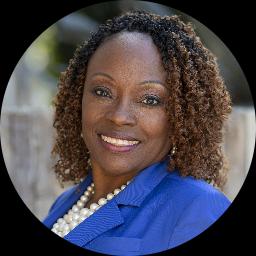
About Yvette
Yvette Davis is a licensed clinical social worker practicing in California. She brings six years of hands-on experience helping people through times of stress, anxiety, grief, and major life changes. Yvette emphasizes a collaborative, respectful relationship in which the person she meets is treated as the expert on their own life.
She focuses on practical steps that reduce overwhelm and build confidence. That can mean talking through communication problems, coping strategies for panic or social anxiety, or ways to manage compassion fatigue and burnout.
Background and approach
Yvette also helps people address identity and multicultural concerns, and the emotional work connected to adoption and foster care. Sessions are aimed at spotting strengths and small shifts that add up. She helps clients set realistic goals, try new approaches between sessions, and notice progress over time.
Her work covers depression, relationship strain, and chronic illness or pain when those issues affect daily life. Yvette frames change as a process and supports people as they try new ways of coping. She encourages honesty about setbacks and celebrates steady gains.
The goal is more resilience, clearer values, and a stronger sense of confidence. People who want a supportive, practical ally for life's hard moments may find her style useful. She works in English and meets with people across California by video, phone, chat, or messaging.
Approaches that guide online work and practical care
Yvette uses evidence-based therapeutic techniques focused on clear skills and real-life changes. One common approach helps people learn coping strategies for anxiety and panic by breaking problems into manageable steps and practicing new responses. Another approach emphasizes building strengths and improving communication skills, which can help with relationship strain, family problems, and commitment worries.Choosing the most helpful approach is a collaborative process. The therapist and client talk about goals, try methods that fit the person’s needs, and adjust as they learn what works. That means approaches can change over time to match shifting priorities and progress.
Online therapy offers practical flexibility. Video calls let people use facial cues and longer conversation when that matters. Phone sessions need less bandwidth and can be easier to fit into a work break. Live chat and text messaging work well for shorter check-ins, quick coping tips, and ongoing support between longer sessions. These options make it easier to get consistent help while juggling a busy life.
Frequently asked questions
What kinds of concerns does she help with?
How does she approach therapy?
What is her professional background?
Where is she licensed and located?
Which languages are used in sessions?
What session formats are available?
How are fees and billing handled?
How do I begin working with her?
Specialties and expertise
Top specialties
- Stress, Anxiety
- Family conflicts
- Self esteem
Also works with
- Adoption and foster care
- Career difficulties
- Chronic pain, illness, and disability
- Commitment issues
- Communication problems
- Compassion fatigue
- Coping with life changes
- Depression
- Family problems
- Grief
- Isolation / loneliness
- Multicultural concerns
- Panic disorder and panic attacks
- Prejudice and discrimination
- Relationship issues
- Social anxiety and phobia
- Trauma and abuse
- Experience
- 6 years
- Licensed
- California
- Languages
- English