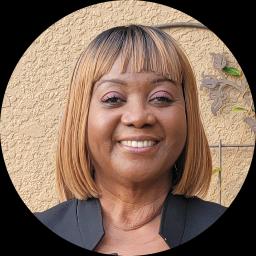
About Winifred
Winifred Cooke-Freeman is a licensed clinical social worker who helps people handle stress, anxiety, grief, and major life changes. She meets people where they are and focuses on practical steps they can use day to day. Her style aims to make difficult topics feel more manageable so clients can move forward at their own pace.
She uses a mix of approaches that suit each person's needs, including cognitive strategies, mindfulness, and acceptance-based work.
Background and approach
Sessions often include learning small skills for coping, improving communication, and managing strong emotions. The goal is to build tools that fit into real life, not just talk about problems. Winifred brings ten years of clinical experience in Florida to her practice.
She pays attention to cultural background and life context when discussing challenges like isolation, caregiving stress, or chronic health concerns. She also addresses issues connected to trauma, sexual assault, and veteran-related stresses where relevant. People can expect an atmosphere focused on respect and steady progress.
Conversations cover topics such as forgiveness, guilt and shame, family of origin concerns, and finding life purpose. Work may include short-term skill building or longer-term exploration depending on what the person wants. Her documented approaches include Acceptance and Commitment Therapy, Cognitive Behavioral Therapy, Dialectical Behavior Therapy, Client-Centered Therapy, and Mindfulness Therapy.
Winifred uses these methods to tailor plans that match each person's goals and daily realities.
Therapeutic approaches and online care
Winifred commonly uses Acceptance and Commitment Therapy and Cognitive Behavioral Therapy in online work. Acceptance and Commitment Therapy focuses on noticing thoughts and feelings without getting stuck in them, then taking actions that match personal values. This can help with anxiety, grief, and life transitions. Cognitive Behavioral Therapy looks at how thoughts, feelings, and behaviors interact and teaches concrete techniques to change unhelpful patterns, which often helps with depression, stress, and managing cravings.Choosing the right approach is a collaborative process. The therapist reviews goals, preferences, and what has or hasn’t worked before to find a good fit. Plans are adjusted over time so the work stays relevant to daily life and immediate concerns.
Online formats include video calls, phone sessions, live chat, and text-based messaging. Video lets people use visual cues and have deeper conversation. Phone sessions can be easier when bandwidth is limited or a brief check-in is needed. Live chat and text allow shorter, focused exchanges and quick skill reminders between sessions. These options aim to make therapy flexible and easier to fit into busy schedules.
Frequently asked questions
What concerns does this therapist address?
How would you describe the therapeutic style?
What is her clinical background and experience?
What credentials and location are on record?
Which languages are supported for sessions?
What session formats are available?
How is cost handled for therapy?
How do I begin working with this therapist?
Specialties and expertise
Top specialties
Also works with
- Addictions
- Aging and geriatric issues
- Anger management
- Career difficulties
- Caregiver issues and stress
- Chronic pain, illness, and disability
- Coaching
- Communication problems
- Compassion fatigue
- Depression
- Family conflicts
- Family of origin issues
- Family problems
- Forgiveness
- Grief
- Guilt and shame
- Isolation / loneliness
- LGBT
- Life purpose
- Midlife crisis
- Multicultural concerns
- Parenting issues
- Prejudice and discrimination
- Relationship issues
- Self esteem
- Sexual assault and abuse
- Trauma and abuse
- Veteran and Armed Forces Issues
- Visually impaired
- Women's issues
Therapeutic approaches
- Experience
- 10 years
- Licensed
- Florida
- Languages
- English