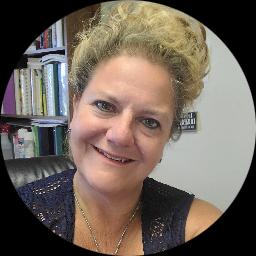
About Wendy
Wendy Goffena is a Licensed Clinical Social Worker with nine years as an LCSW and a long history in mental health services. She practices in Montana and brings practical, down-to-earth help to people facing stress, anxiety, trauma, depression, and life transitions. Wendy writes plainly and aims to make therapy straightforward and useful.
She has worked across many settings over two decades, from inpatient treatment with youth to medical social work and county mental health centers.
Background and approach
That range taught her to match techniques to what a person actually needs, not to a single method. She draws on that experience when helping people set clear goals and build skills. Wendy’s approach centers on the person in the room.
She treats people as the experts on their own lives and collaborates to choose what to work on. Sessions often focus on small, practical steps - learning skills for mood regulation, spotting unhelpful thoughts, or reducing overwhelm from day-to-day demands.
She uses several well-known methods to guide sessions, including cognitive behavioral tools, acceptance and commitment ideas, dialectical skills, and EMDR for trauma processing. Wendy adapts these approaches to each person’s pace and comfort level, balancing skill teaching with supportive listening. Outside of clinical work she spends time hiking, fishing, gardening, and making art.
Those interests influence a relaxed, grounded style in sessions. People who want clear, steady support for real problems often find her practical focus helpful.
Approaches that translate well to online therapy
Acceptance and Commitment Therapy (ACT) focuses on values and small actions. It helps people notice what matters, accept difficult feelings, and take steps toward a richer life. Cognitive Behavioral Therapy (CBT) looks at links between thoughts, feelings, and actions. It teaches practical exercises to change unhelpful thinking and reduce symptoms like anxiety and low mood. Eye Movement Desensitization and Reprocessing (EMDR) offers a structured way to process past traumatic memories and reduce their hold on daily life.Finding the right approach is part of the work. The therapist will talk with each person to figure out which methods fit their goals and comfort level. This is a collaborative process that can mix approaches as needed, with pacing set by the client.
Online sessions use video calls, phone sessions, live chat, or text-based messaging to make care flexible. Video allows face-to-face conversation and visual cues. Phone can be easier when bandwidth is low or for a shorter check-in. Live chat and text messaging offer brief, on-the-go support between longer sessions. These options help people fit therapy into busy days and maintain continuity when travel or schedules make in-person meetings hard.
Frequently asked questions
What concerns does she help with?
What is her therapeutic style like?
What background does she bring to sessions?
Where is she licensed and based?
Which languages are supported?
How are sessions delivered?
How does payment and cost work?
How do I begin a therapy relationship?
Specialties and expertise
Top specialties
- Stress, Anxiety
- Trauma and abuse
- Anger management
Also works with
- Aging and geriatric issues
- Bipolar disorder
- Body image
- Career difficulties
- Caregiver issues and stress
- Chronic pain, illness, and disability
- Co-morbidity
- Codependency
- Communication problems
- Compassion fatigue
- Control issues
- Coping with life changes
- Depression
- Emptiness
- Family conflicts
- Family problems
- Forgiveness
- Grief
- Guilt and shame
- Intimacy-related issues
- Isolation / loneliness
- Life purpose
- Midlife crisis
- Mood disorders
- Parenting issues
- Post-traumatic stress
- Postpartum depression
- Relationship issues
- Seasonal Affective Disorder (SAD)
- Self esteem
- Self-harm
- Self-love
- Sleeping disorders
- Social anxiety and phobia
- Veteran and Armed Forces Issues
- Women's issues
Therapeutic approaches
- Experience
- 9 years
- Licensed
- Montana, Wyoming
- Languages
- English