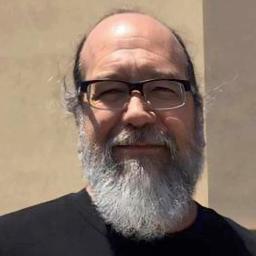
About Thomas
Thomas Zumwalt is a Licensed Clinical Social Worker with 32 years of experience helping people cope with stress, anxiety, grief, anger, low self-esteem, and depression. He creates a calm and nonjudgmental space where clients can talk through painful feelings and search for realistic next steps. Thomas draws on decades of hands-on work across settings to meet people where they are.
Before turning to therapy, he worked in business and sales and later earned social work qualifications from the University of Tulsa and the University of Oklahoma.
Background and approach
His clinical career includes roles in psychiatric hospitals, residential programs, intermediate care facilities, in-home services, and nursing homes. Those varied settings shaped his practical outlook on solving problems. Thomas aims to help clients find solutions that fit their lives.
He uses straightforward conversation and problem solving rather than jargon. Sessions focus on what matters now - getting through grief, managing mood struggles, or rebuilding confidence. He has supported people coping with caregiver stress, chronic illness and pain, attachment and abandonment issues, communication problems, control issues, guilt and shame, loneliness, life purpose concerns, and men’s issues.
He also brings experience with mood disorders, post-traumatic stress, social anxiety, and related challenges. Outside of work he stays active in sports, coaching and playing ice hockey and boxing. Thomas is an enrolled citizen of the Cherokee Nation of Oklahoma and offers sessions in English.
He welcomes international clients and aims to work collaboratively to meet each person’s goals.
Approaches that guide online care
Thomas uses evidence-based therapeutic techniques that focus on clear steps and real-life changes. One approach centers on practical problem solving and coping skills to reduce anxiety and manage stress; it teaches specific actions and ways of thinking to try between sessions. Another approach concentrates on processing grief and loss by helping people name feelings, create meaning, and find gradual ways to move forward after painful events. Both approaches are aimed at improving day-to-day functioning and emotional tolerance rather than relying on abstract theory.Finding the right approach is part of the work. He collaborates with each person to choose methods that match their needs, goals, and preferences. Together they test what helps most and adjust the plan as progress is seen or circumstances change.
Online formats offer practical benefits for this kind of work. Video calls let the therapist and client meet face-to-face when schedules or distance make in-person visits difficult. Phone sessions require less bandwidth and can be easier to fit into a short break. Live chat and text-based messaging provide ongoing opportunities to check in, share progress, and try brief coping strategies between scheduled sessions. These options make it simpler to keep therapy consistent and adapt the pace to everyday life.
Frequently asked questions
What concerns does he help people with?
What is his therapeutic style like?
How long has he worked in mental health?
What are his credentials and location?
Can people who live outside the U.S. work with him?
Which session formats are available?
How is cost handled for sessions?
What are the first steps to begin therapy?
Specialties and expertise
Top specialties
- Stress, Anxiety
- Grief
- Anger management
Also works with
- Abandonment
- Attachment issues
- Caregiver issues and stress
- Chronic pain, illness, and disability
- Communication problems
- Control issues
- Depression
- Forgiveness
- Guilt and shame
- Isolation / loneliness
- Life purpose
- Men's issues
- Mood disorders
- Post-traumatic stress
- Self esteem
- Self-love
- Social anxiety and phobia
- Workplace issues
- Experience
- 32 years
- Licensed
- Oklahoma
- Languages
- English