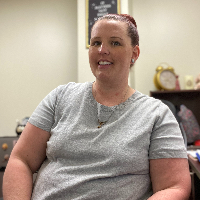
About Tara
Tara Lineberry is a Licensed Independent Clinical Social Worker who practices in Virginia. She brings ten years of clinical experience to sessions and focuses on stress, anxiety, trauma, addiction, mood concerns, and relationship and family struggles. Tara talks plainly and warmly, and she aims to create a calm, respectful space where people can say what they are feeling without judgment.
She earned a Master of Social Work from the University of Southern California.
Background and approach
Over her career she has worked with people affected by domestic violence, sexual assault, eating disorders, and substance use issues. That background informs how she listens for safety, patterns, and practical next steps. Tara emphasizes building trust first.
She often helps people name strengths they already have. From there she supports problem solving and small behavior changes that fit daily life. She believes most people already know some of what will help them and benefits from having someone to sit with those thoughts.
Her style is open, caring, and non-judgmental. In sessions she uses techniques from cognitive behavioral approaches, emotion-focused work, and mindfulness to help people manage thoughts, emotions, and relationships. She also draws on motivational interviewing to support change when needed.
Tara offers messaging, live chat, phone sessions, and video calls and is available evenings and weekends at times. International clients may be seen, and sessions are conducted in English. To begin, a short matching questionnaire is used before scheduling.
Online approaches that focus on feelings and practical change
CBT, or Cognitive Behavioral Therapy, helps people notice unhelpful thinking and test new ways of acting. It is often used for anxiety, depression, and managing stress by teaching small, practical skills to change patterns.Emotionally-Focused Therapy (EFT) centers on understanding and shifting emotional responses in relationships. It helps people notice core feelings, express needs more clearly, and improve closeness or communication where that is a goal.
Eye Movement Desensitization and Reprocessing (EMDR) helps people process upsetting memories and reduce the intensity of traumatic reactions. It can be useful when past events continue to cause distress in daily life.
Finding the best approach is part of the work together. The therapist will talk with the client about goals, preferences, and what has helped or not helped in the past. Together they decide whether to focus on skills, emotional processing, memory work, or a mix of methods.
Online formats include video calls, phone sessions, live chat, and text-based messaging. Video calls allow face-to-face conversation and visual cues. Phone sessions can fit a short break or need less bandwidth. Live chat and messaging make it easier to check in between sessions or work through day-to-day problems. These options offer flexibility for different schedules and communication styles.
Frequently asked questions
What kinds of concerns can be addressed in sessions?
How would you describe her therapeutic approach?
What is her professional background?
Where is she licensed and based?
Which languages are supported for sessions?
What session formats are available?
How much do sessions cost?
How do I begin working with her?
Specialties and expertise
Top specialties
- Stress, Anxiety
- Relationship issues
- Family conflicts
Also works with
- Abandonment
- Addictions
- ADHD
- Attachment issues
- Bipolar disorder
- Blended family issues
- Body image
- Career difficulties
- Coaching
- Commitment issues
- Communication problems
- Compassion fatigue
- Control issues
- Coping with life changes
- Depression
- Disruptive Mood Dysregulation Disorder (DMDD)
- Dissociation
- Domestic violence
- Eating and food-related issues
- Eating disorders
- Family of origin issues
- Family problems
- First responder issues
- Forgiveness
- Grief
- Intimacy-related issues
- Isolation / loneliness
- Jealousy
- LGBT
- Mood disorders
- Panic disorder and panic attacks
- Parenting issues
- Post-traumatic stress
- Postpartum depression
- Pregnancy and childbirth
- Seasonal Affective Disorder (SAD)
- Self esteem
- Self-love
- Sexual assault and abuse
- Social anxiety and phobia
- Trauma and abuse
- Women's issues
- Workplace issues
- Young adult issues
Therapeutic approaches
- Experience
- 10 years
- Licensed
- Virginia, Massachusetts
- Languages
- English