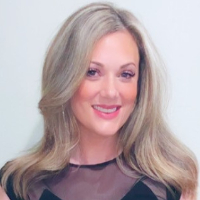
About Tabetha
Tabetha Jackson is a Licensed Clinical Social Worker who brings 15 years of social work experience to her counseling practice. She earned a master’s degree in Social Work from East Carolina University in Greenville, North Carolina. Tabetha currently works full time in an inpatient physical rehabilitation setting, where she supports people facing health changes, grief, and end-of-life concerns.
Her approach starts with strengths. She helps people identify what already works for them and builds from there.
Background and approach
Sessions are relaxed and client-focused so people can talk at their own pace and feel heard. Tabetha uses practical techniques that are tailored to each person. She draws on client-centered methods alongside cognitive behavioral and mindfulness ideas.
She also incorporates narrative and solution-focused work when it fits the situation. Common concerns she addresses include depression, anxiety, grief, stress, addictions, relationship strain, parenting challenges, and trauma. She also supports people dealing with body image, caregiver stress, blended family issues, and career-related worries.
In session, Tabetha aims to create a comfortable space where people can practice new coping skills. She emphasizes small, achievable steps and realistic goals. Her priority is helping people regain a sense of emotional balance and everyday functioning.
Approaches that fit day-to-day life
Tabetha draws on client-centered work that focuses on the person in front of her and their own goals. This approach helps people feel heard and supports self-directed change. Cognitive behavioral therapy is also used to identify unhelpful thoughts and test new ways of thinking and behaving, which can help with anxiety, depression, and stress.She also uses mindfulness techniques to teach simple ways to notice thoughts and bodily sensations without getting swept up by them. These tools are helpful for managing strong emotions, reducing reactivity, and improving everyday coping.
Finding the right approach is part of the work together. She will collaborate with each person to decide which methods fit their needs and preferences. Goals and techniques are revisited over time so the plan stays useful and realistic.
Online therapy offers flexible ways to meet. Video calls allow for face-to-face conversations when more connection is wanted. Phone sessions can be easier when bandwidth is limited or when someone prefers not to be on camera. Live chat and text messaging support brief check-ins or ongoing written communication between appointments. These options make it easier to fit therapy into a busy life.
Frequently asked questions
What kinds of concerns does she address?
What is her therapy style like?
How much experience does she have?
Where is she licensed and based?
Which languages are supported for sessions?
Can people outside the U.S. work with her?
What session formats are available?
How does cost and scheduling work?
Specialties and expertise
Top specialties
- Family conflicts
- Grief
- Self esteem
Also works with
- Abandonment
- Addictions
- Aging and geriatric issues
- Anger management
- Bipolar disorder
- Blended family issues
- Body image
- Career difficulties
- Caregiver issues and stress
- Co-morbidity
- Compassion fatigue
- Coping with life changes
- Depression
- Drug and alcohol addiction
- Eating disorders
- Emptiness
- Family of origin issues
- Family problems
- Guilt and shame
- Hoarding
- Intimacy-related issues
- Parenting issues
- Prejudice and discrimination
- Relationship issues
- Self-love
- Social anxiety and phobia
- Stress, Anxiety
- Trauma and abuse
- Traumatic brain injury
- Women's issues
- Workplace issues
Therapeutic approaches
- Experience
- 15 years
- Licensed
- North Carolina
- Languages
- English