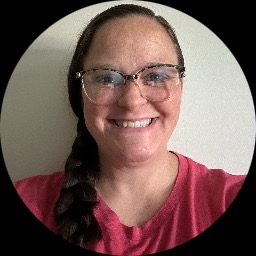
About Shayne
Shayne Rhoads is a licensed clinical social worker who helps people facing stress, anxiety, trauma and abuse, low self-esteem, depression, and major life changes. She draws on ten years of experience to offer steady support as clients work through hard moments. Shayne writes in a direct, calm way and focuses on strengths you already have.
She keeps sessions practical and straightforward. Conversations often start with immediate concerns and move to small, workable steps.
Background and approach
Shayne believes people know their stories best, and she helps them name what matters and try new approaches between meetings. Expect a collaborative tone. Goals are set together and adjusted as needed.
She pays attention to how daily routines, relationships, and past hurts affect mood and choices. Her work includes attention to isolation and loneliness, mood disorders, postpartum depression, post-traumatic stress, self-harm, and social anxiety and phobia. Shayne helps people build skills to manage symptoms and cope with life changes without overwhelming jargon.
Shayne is licensed in Indiana as a licensed clinical social worker, LCSW. She offers a supportive space for people ready to take a step toward change, and she helps them plan practical next steps that fit their life.
Therapeutic approaches and online options
Shayne uses evidence-based therapeutic techniques that focus on clear goals and practical skills. One approach emphasizes building coping strategies to reduce anxiety and manage stress by breaking worries into smaller, doable steps and practicing new responses. Another approach addresses trauma and post-traumatic stress by helping people process difficult memories and reduce their hold on daily life through paced, structured work.Finding the right approach is part of the process. She works together with each person to choose methods that match their needs, goals, and comfort level. Changes are paced to the person, and techniques are adjusted as progress is made so the plan stays useful and realistic.
Online therapy offers flexible ways to connect. Video calls let people use face-to-face conversation when that feels important, while phone sessions work well when bandwidth is limited or a quieter check-in is needed. Live chat and text-based messaging provide short, frequent support for check-ins, coping ideas, or between-session notes. These options make it easier to fit therapy into busy days and different routines.
Frequently asked questions
What concerns does this therapist help with?
How would you describe the therapeutic style?
What is her professional background?
Where is the therapist licensed and based?
In which languages are sessions offered?
What session formats are available?
How are fees and payment handled?
How do I begin working together?
Specialties and expertise
Top specialties
Also works with
- Experience
- 10 years
- Licensed
- Indiana
- Languages
- English