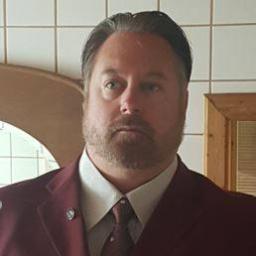
About Shawn
Prof. Shawn Young is a licensed clinical social worker who has practiced for more than 15 years. He holds a Licensed Independent Clinical Social Worker (LICSW) credential in New Hampshire and a Licensed Clinical Social Worker (LCSW) in Maine.
He has worked as a therapist, counselor, and life coach and brings a calm, straightforward approach to meetings. He has experience with common concerns such as depression, anxiety, and career stress.
Background and approach
He also helps people facing relationship strain, parenting challenges, attention difficulties, addiction, grief, and trauma. His background includes work in higher education and time spent in the Air Force, including overseas assignments. His style is described as warm and interactive.
He aims to treat people with respect, sensitivity, and compassion while avoiding stigmatizing labels. Sessions focus on practical conversation tailored to the person in front of him. He uses a mix of approaches drawn from acceptance and commitment ideas, client-centered methods, mindfulness, motivational interviewing, and narrative perspectives.
These methods guide how he helps people identify values, notice thoughts, and take workable steps forward. Prof. Shawn Young works from Maine and offers sessions that fit busy lives.
He supports international clients and offers video calls, phone sessions, live chat, and text-based messaging. Starting is straightforward: complete a short questionnaire and schedule a time to meet.
Approaches that translate well to online therapy
Acceptance and Commitment Therapy helps people clarify what matters to them and take small actions toward those values. It pairs well with online sessions because clients can practice real-life steps between meetings. Client-Centered Therapy focuses on listening and understanding without judgment, creating a conversational space where people can explore feelings and make decisions at their own pace. Mindfulness Therapy teaches simple attention and breathing practices to reduce reactivity and improve sleep and mood.Finding the right approach is part of the process. The therapist will work collaboratively to figure out which methods fit a person's goals and daily life. Together they will try different techniques and adjust the plan based on what works and what feels useful.
Online formats offer practical benefits. Video calls allow face-to-face talk when a longer session is needed. Phone sessions can be easier when bandwidth is limited or when someone prefers not to be on camera. Live chat and text-based messaging are useful for brief check-ins, quick coaching, or when fitting support into a busy day. These options make it simpler to keep therapy consistent while balancing work, school, and family commitments.
Frequently asked questions
What concerns does this therapist help with?
How would you describe his therapeutic style?
What is his professional background?
Where is he licensed and based?
Can I work with him if I live outside the United States?
What session formats are offered?
How does payment and cost work?
What do I need to do to start?
Specialties and expertise
Top specialties
- Stress, Anxiety
- Relationship issues
- Family conflicts
Also works with
- Abandonment
- Addictions
- ADHD
- Adoption and foster care
- Anger management
- Attachment issues
- Bipolar disorder
- Career difficulties
- Coaching
- Communication problems
- Compassion fatigue
- Coping with life changes
- Depression
- Eating disorders
- Emptiness
- Family problems
- Fatherhood issues
- First responder issues
- Grief
- Intimacy-related issues
- Isolation / loneliness
- LGBT
- Life purpose
- Men's issues
- Parenting issues
- Post-traumatic stress
- Prejudice and discrimination
- Self esteem
- Sleeping disorders
- Trauma and abuse
- Traumatic brain injury
- Veteran and Armed Forces Issues
- Workplace issues
Therapeutic approaches
- Experience
- 15 years
- Licensed
- New Hampshire, Maine
- Languages
- English