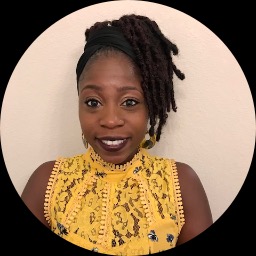
About Shanton
Shanton Roberson is a licensed clinical social worker who helps people facing stress, anxiety, depression, addictions, trauma, and relationship struggles. She works with concerns like grief, parenting strain, ADHD, mood disorders, and identity questions within the LGBT community. Shanton brings a direct, steady presence and encourages practical steps toward feeling better.
She sees clients as the experts in their own stories and looks for strengths to build on. Sessions focus on clear goals and doable strategies.
Background and approach
Conversations are guided and practical, with an emphasis on skills to manage difficult feelings and day-to-day challenges. Shanton holds both a Licensed Independent Clinical Social Worker credential and a Licensed Clinical Social Worker credential, listed as AL LICSW 5435C and FL LCSW SW21891. She has 13 years of experience in mental health work and is based in Alabama.
Her background includes supporting people through trauma, postpartum depression, panic attacks, and complicated grief. She also addresses issues like abandonment, adoption and foster care concerns, domestic violence effects, and communication problems. The work often includes coping strategies, emotion regulation, and rebuilding routines.
In sessions she helps people tackle impulsivity, substance use concerns, career stress, feelings of isolation, and questions about life purpose. The aim is steady progress, with concrete tools to handle setbacks and to strengthen coping over time.
How evidence-based approaches work online
Many therapists use cognitive-behavioral techniques to help people spot unhelpful thoughts and change patterns. This approach teaches practical ways to manage anxiety, panic attacks, and mood symptoms by trying new behaviors and tracking results.Another common method focuses on trauma-informed care, which helps people process past hurts at a pace that feels manageable. It often includes grounding and coping skills aimed at reducing distress and improving day-to-day functioning.
Finding the right combination of approaches is part of the work. The therapist will collaborate with each person to decide which techniques match their goals and comfort level. Plans are adjusted as progress is made so the approach stays useful and relevant.
Online sessions are offered by licensed professionals and can include video calls, phone sessions, live chat, or text-based messaging. Video calls are useful for face-to-face conversation and practicing skills in real time. Phone sessions can be easier when bandwidth is limited or when a camera is not practical. Live chat and text messaging work well for quick check-ins, short coaching, or ongoing support between sessions. These options make therapy more flexible for different schedules and needs.
Frequently asked questions
What concerns does Shanton specialize in?
How would you describe her therapeutic style?
What is her professional background?
Which credentials and location are listed?
In what language are sessions held?
What session formats are available?
How are fees and payment handled?
How do I begin working with her?
Specialties and expertise
Top specialties
- Stress, Anxiety
- Addictions
- Relationship issues
Also works with
- Abandonment
- ADHD
- Adoption and foster care
- Anger management
- Bipolar disorder
- Body image
- Career difficulties
- Communication problems
- Compassion fatigue
- Coping with life changes
- Depression
- Domestic violence
- Family conflicts
- Grief
- Guilt and shame
- Impulsivity
- Infidelity
- Isolation / loneliness
- LGBT
- Life purpose
- Mood disorders
- Multicultural concerns
- Panic disorder and panic attacks
- Parenting issues
- Post-traumatic stress
- Postpartum depression
- Pregnancy and childbirth
- Seasonal Affective Disorder (SAD)
- Self esteem
- Self-harm
- Self-love
- Sexual assault and abuse
- Trauma and abuse
- Women's issues
- Experience
- 13 years
- Licensed
- Florida, Alabama
- Languages
- English