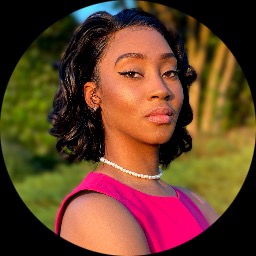
About Sarinia
Sarinia Bishop is a licensed clinical social worker who helps people facing relationship strain, identity questions, self-esteem struggles, and career crossroads. She supports clients exploring LGBT concerns, kink and alternative sex culture, and those dealing with feelings of emptiness or isolation. Her style is direct and conversational, with attention to emotional safety and practical next steps.
Sarinia focuses on helping people reconnect with what matters to them. Sessions often start by mapping current stresses and past patterns that repeat in relationships.
Background and approach
She uses talk-based work alongside tools that help people manage everyday reactions and make clearer choices. Her work attends to attachment wounds and family of origin issues. That can mean examining early relationship patterns and how they show up now.
She also addresses abandonment, codependency, control issues, and the fallout of divorce or separation. Sarinia draws on cognitive-behavioral ideas to change unhelpful thoughts and behaviors. She also brings mindfulness practices to help people tolerate difficult emotions.
Jungian perspectives are used at times to explore deeper themes and personal meaning. With eight years of experience and an LCSW credential, she offers care from North Carolina. Sessions are offered in English and are available in several online formats.
People who want straightforward conversation, identity work, or help managing relationship struggles may find her approach useful.
Online approaches for relationship and identity work
Attachment-Based Therapy looks at how early bonds shape current relationships. It helps people notice repeating patterns and try new ways of connecting with others.Client-Centered Therapy focuses on a respectful, non-judgmental conversation. The therapist listens closely and supports the client in finding their own answers and priorities.
Finding the right approach is part of the work. The therapist will collaborate with each person to choose methods that match their goals and preferences. That may mean blending attachment work, client-centered listening, and cognitive techniques over time.
Online sessions are offered by video calls, phone sessions, live chat, or text-based messaging to fit different schedules and needs. Video calls allow face-to-face conversation when visual cues matter. Phone sessions can work well when bandwidth is limited or a shorter check-in is needed. Chat and text messaging make it possible to stay in contact between longer sessions and to share brief updates or reflections.
These options make therapy easier to fit around work, caregiving, or school, and let people choose the format that best supports their progress.
Frequently asked questions
What concerns does this therapist help with?
How would you describe the therapeutic style?
What kind of background does the therapist have?
What are the therapist's credentials and location?
Which languages are supported and are international clients accepted?
What session formats are available?
How does payment and cost work?
What steps do I take to begin therapy?
Specialties and expertise
Top specialties
- LGBT
- Relationship issues
- Self esteem
Also works with
- Abandonment
- Attachment issues
- BDSM, kink, and alternative sex culture
- Blended family issues
- Career difficulties
- Caregiver issues and stress
- Coaching
- Codependency
- Communication problems
- Control issues
- Divorce and separation
- Emptiness
- Family of origin issues
- Family problems
- Forgiveness
- Guilt and shame
- Isolation / loneliness
- Life purpose
- Multicultural concerns
- Polyamory / non-monogamous relationships
- Prejudice and discrimination
- Self-love
- Veteran and Armed Forces Issues
- Women's issues
- Workplace issues
- Young adult issues
Therapeutic approaches
- Experience
- 8 years
- Licensed
- North Carolina, Virginia
- Languages
- English