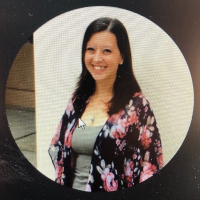
About Sarah
Sarah Steingiser is a Licensed Clinical Social Worker who helps people coping with stress, anxiety, depression, trauma and abuse, and relationship or family concerns. She also supports those facing parenting strain, grief, anger, eating and intimacy-related issues, and people managing ADHD or compassion fatigue. Sarah writes plainly and offers a calm, respectful presence in sessions.
Sarah has six years of clinical experience in outpatient settings, child welfare, addiction treatment, nursing homes, and extended day treatment programs for children.
Background and approach
She has worked with a wide age range and brings that variety into her approach. Her background gives her a practical view of how life problems show up day to day. Her style is warm and interactive.
Sessions typically focus on what matters to the person in front of her. She listens, asks direct questions, and helps people set usable goals they can try between visits. She avoids stigmatizing labels and treats people with sensitivity and respect.
Therapeutic tools she uses include client-centered work, cognitive behavioral techniques, mindfulness practices, solution-focused strategies, and trauma-focused methods. Sarah adapts the mix to each person’s needs and preferences. The goal is to find simple tools that fit into daily life.
If someone is ready to make a change, she offers steady support and practical steps toward clearer thinking and better coping. Sarah aims to empower people to manage tough moments and move toward the life they want.
Practical approaches for online care
Client-centered therapy puts the person’s priorities first and focuses on listening, respect, and collaboration. It helps when someone needs a supportive space to talk through feelings and identify their goals. Cognitive Behavioral Therapy, or CBT, looks at how thoughts and behaviors influence mood and teaches concrete skills to change unhelpful patterns; it is often used for anxiety, depression, and anger.Choosing the right approach is part of the work. The therapist will collaborate with the person to pick methods that match their goals, needs, and comfort level. That might mean combining client-centered listening with CBT skills or adding mindfulness practices when appropriate.
Online sessions can take place as video calls, phone sessions, live chat, or text-based messaging. Video calls work well for full conversations and visual cues. Phone sessions fit when a quieter environment or less bandwidth is needed. Live chat and text messaging are useful for shorter check-ins, quick coping ideas, or ongoing support between longer sessions. These options offer flexibility to fit therapy into busy schedules and everyday life.
Frequently asked questions
What concerns does Sarah focus on?
What is her therapeutic style like?
What experience does she bring to sessions?
Where is she licensed and based?
Which languages are supported?
What session formats are available?
How are sessions priced?
How do I begin working together?
Specialties and expertise
Top specialties
- Stress, Anxiety
- Trauma and abuse
- Anger management
Also works with
- ADHD
- Attachment issues
- Blended family issues
- Body image
- Caregiver issues and stress
- Commitment issues
- Communication problems
- Compassion fatigue
- Control issues
- Coping with life changes
- Depression
- Disruptive Mood Dysregulation Disorder (DMDD)
- Divorce and separation
- Domestic violence
- Eating disorders
- Family conflicts
- Family problems
- Forgiveness
- Grief
- Guilt and shame
- Impulsivity
- Intimacy-related issues
- Isolation / loneliness
- Life purpose
- Mood disorders
- Obsessions, compulsions, and OCD
- Panic disorder and panic attacks
- Parenting issues
- Phobias
- Post-traumatic stress
- Relationship issues
- Seasonal Affective Disorder (SAD)
- Self esteem
- Self-harm
- Self-love
- Social anxiety and phobia
- Veteran and Armed Forces Issues
- Women's issues
Therapeutic approaches
- Experience
- 6 years
- Licensed
- Connecticut
- Languages
- English