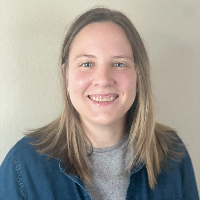
About Sarah
Sarah Platzer is a Licensed Clinical Social Worker who helps people managing stress, anxiety, depression, grief, and parenting challenges. She also supports people dealing with relationship strain, low self-esteem, compassion fatigue, and ADHD. Her style is warm and down-to-earth, and she aims to make hard conversations feel more possible.
Sarah uses practical tools from Cognitive Behavioral Therapy and Dialectical Behavior Therapy to help people notice unhelpful patterns and try new ways of coping.
Background and approach
She mixes structured skill work with open conversations about what matters most to each person. Humor and straightforward feedback are part of how she works. She has four years of clinical experience and has worked in behavioral health settings and outpatient care.
That background shapes a calm, steady approach for people facing mood disorders, self-harm thoughts, or personality challenges. Sarah believes in matching the work to each person’s goals rather than using one fixed plan. Sessions focus on clear, manageable steps clients can use between appointments.
That might mean learning techniques for stress or anger, building routines to ease isolation, or practicing new ways to communicate. Progress is measured by what feels different in daily life, not by jargon. People come for focused help with life changes, parenting strain, or questions about sexuality and identity.
Sarah aims to create a space where people can talk honestly and find realistic strategies to move forward.
Therapeutic approaches for online care
CBT, or Cognitive Behavioral Therapy, focuses on identifying unhelpful thoughts and changing behaviors that keep problems going. It is often used for anxiety, low mood, and stress by teaching practical exercises to try between sessions.DBT, or Dialectical Behavior Therapy, emphasizes learning skills for emotion regulation, distress tolerance, and better communication. It can help people who struggle with strong emotions, self-harm urges, or relationship turmoil by offering concrete tools to use in heated moments.
Motivational Interviewing uses curious, nonjudgmental conversation to help people decide on and commit to small changes. It pairs well with other approaches when someone feels unsure about next steps.
Finding the right approach is part of the work together. The therapist will discuss goals, listen to preferences, and suggest which methods to try first. Clients and therapist make adjustments as progress unfolds so the plan stays practical and relevant.
Online therapy offers flexibility that fits many lives. Video calls allow face-to-face conversation when visual cues matter. Phone sessions can be easier when bandwidth is limited or a camera is not wanted. Live chat and text-based messaging let people check in between sessions or use shorter, focused exchanges on busy days. These options make it simpler to keep therapy consistent around work, family, and other responsibilities.
Frequently asked questions
What kinds of concerns does she help with?
How would you describe her therapeutic style?
What is her background and experience?
What credentials and location are listed?
Which languages and international options are available?
What session formats are offered?
How is cost handled for sessions?
What steps are involved to begin working together?
Specialties and expertise
Top specialties
Also works with
- ADHD
- Anger management
- Compassion fatigue
- Coping with life changes
- Family conflicts
- Family problems
- Grief
- Isolation / loneliness
- LGBT
- Mood disorders
- Parenting issues
- Personality disorders
- Relationship issues
- Self esteem
- Self-harm
- Sexuality
Therapeutic approaches
- Experience
- 4 years
- Licensed
- Wisconsin
- Languages
- English