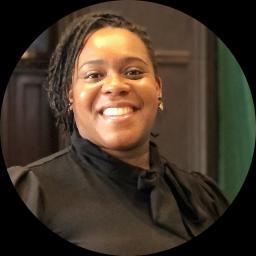
About Sarah
Sarah Smith is a licensed clinical social worker with 14 years of experience helping people manage stress, anxiety, grief, and career challenges. She works in Connecticut and speaks English and Haitian Creole. She emphasizes respect for each person's story and strengths as a starting point for change.
Sarah centers the relationship in therapy. She builds rapport through steady listening and trust. She uses a mix of practical techniques and conversational work to help people move forward one step at a time.
Background and approach
Sessions often include exploration of family history and life events to understand current patterns. Sarah uses cognitive behavioral ideas to identify unhelpful thoughts and solution-focused techniques to set small, concrete goals. Motivational interviewing helps when people are stuck or unsure about change.
She also addresses trauma, addiction, parenting concerns, compassion fatigue, ADHD, and relationship stress. Grief work and coping with big life changes are common topics. Sarah welcomes faith, religion, or spirituality as part of treatment when clients want that included.
Therapy can involve role play, communication skill-building, and stress or crisis management. The approach is collaborative and practical: clients notice immediate tools and work toward longer-term shifts. She encourages people to use their strengths as they rebuild routines and confidence.
Therapeutic approaches and online support
Sarah often uses client-centered work that focuses on the person's experience and goals, giving space for their story and values. This approach helps when people need a listening space to sort feelings and priorities.She also draws on cognitive behavioral therapy to spot unhelpful thoughts and test new ways of thinking. CBT is useful for anxiety, depression, and managing daily stress with practical exercises and short-term skill building.
Finding the right approach is part of therapy. The therapist will collaborate with each person to choose methods that match their needs, goals, and preferences. That process can include trying different techniques and adjusting plans as progress is made.
Online formats offer practical flexibility. Video calls allow face-to-face conversation and visual cues, phone sessions work when bandwidth is limited, and messaging or live chat can fit brief check-ins or work between sessions. These options make it easier to fit therapy into busy days and to use tools consistently over time.
Frequently asked questions
What kinds of problems does this therapist help with?
What is the therapy style like?
How much experience does the therapist have?
What are the therapist's credentials and location?
Which languages are supported for sessions?
What session formats are available?
How does cost and billing work?
How do I begin working with this therapist?
Specialties and expertise
Top specialties
- Stress, Anxiety
- Family conflicts
- Trauma and abuse
Also works with
- Abandonment
- Addictions
- ADHD
- Aging and geriatric issues
- Attachment issues
- Body image
- Career difficulties
- Caregiver issues and stress
- Communication problems
- Compassion fatigue
- Control issues
- Coping with life changes
- Coping with natural or human-caused disaster
- Depression
- Family of origin issues
- Family problems
- Fatherhood issues
- First responder issues
- Grief
- Guilt and shame
- HIV / AIDS
- Immigration issues
- Impulsivity
- Isolation / loneliness
- Life purpose
- Multicultural concerns
- Parenting issues
- Post-traumatic stress
- Relationship issues
- Seasonal Affective Disorder (SAD)
- Self esteem
- Self-love
- Social anxiety and phobia
- Women's issues
- Workplace issues
- Young adult issues
Therapeutic approaches
- Experience
- 14 years
- Licensed
- Connecticut, Florida
- Languages
- English, Haitian Creole