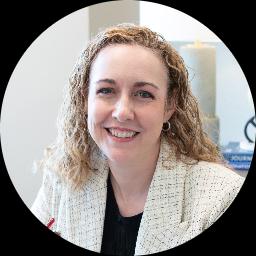
About Sarah
Sarah Duncan is a licensed clinical social worker with nine years of experience helping people who are stressed, anxious, depressed, or facing major life changes. She supports people dealing with addictions, trauma, relationship and intimacy concerns, and career or money worries. Sarah also offers help around caregiver strain, aging issues, mood disorders, and self-esteem struggles.
Sarah aims for a warm, nonjudgmental space where people can speak openly. She listens closely and asks practical questions to clarify what matters most.
Background and approach
Sessions are straightforward and focused on small, doable steps that fit everyday life. Her work blends several approaches. She draws on Acceptance and Commitment Therapy to help people live in line with their values.
She uses Client-Centered techniques to create a respectful, listening-based relationship. Cognitive Behavioral Therapy helps identify unhelpful thoughts and replace them with more useful ones. Sarah also brings mindfulness and narrative strategies into conversations.
Mindfulness practices help with stress and mood regulation. Narrative work helps people make sense of their life story and find new directions. She is licensed as an LCSW in Texas and Tennessee (TX LCSW 68968, TN LCSW 6994) and provides sessions in English.
Sarah recognizes the courage it takes to begin therapy and focuses on steady progress rather than quick fixes.
How her approaches translate to online therapy
Acceptance and Commitment Therapy helps people name their values and take small steps toward them. In online sessions this can mean setting simple daily actions and checking progress between meetings. Client-Centered Therapy focuses on empathic listening and building a trusting relationship, which can be achieved through video or phone conversations where the therapist reflects and clarifies what matters to the client.Finding the right approach is collaborative. The therapist will work with each person to try methods that fit their goals and preferences, and adjust those methods as needed. That process usually involves talking through what feels most useful and testing practical strategies in real life.
Online formats offer flexibility. Video calls allow face-to-face interaction and visual cues. Phone sessions can work well when bandwidth or camera use is a concern. Live chat or text-based messaging can be used for shorter check-ins, written reflections, or when scheduling needs make real-time calls difficult. These options make it easier to keep therapy consistent around work, caregiving, or travel.
Frequently asked questions
What concerns can Sarah help with?
What is her therapeutic style like?
How much clinical experience does she have?
Where is she licensed and located?
Which languages are supported for sessions?
What session formats are available?
How does billing and cost work?
How do I begin working together?
Specialties and expertise
Top specialties
Also works with
- Aging and geriatric issues
- Bipolar disorder
- Career difficulties
- Caregiver issues and stress
- Co-morbidity
- Codependency
- Compassion fatigue
- Coping with life changes
- Depression
- Divorce and separation
- Drug and alcohol addiction
- Family conflicts
- Family of origin issues
- Forgiveness
- Intimacy-related issues
- LGBT
- Life purpose
- Midlife crisis
- Money and financial issues
- Mood disorders
- Post-traumatic stress
- Relationship issues
- Seasonal Affective Disorder (SAD)
- Self esteem
- Self-love
- Sexuality
Therapeutic approaches
- Experience
- 9 years
- Licensed
- Texas, Tennessee
- Languages
- English