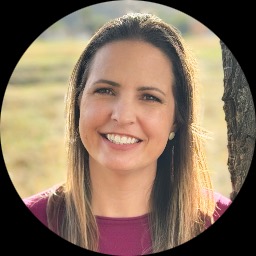
About Robin
Robin Daughenbaugh is a Licensed Clinical Social Worker in California. She helps people facing stress, anxiety, depression, and addiction. She also supports those struggling with low self-esteem and major life changes.
Robin speaks English and brings a calm, straightforward style to sessions. She believes people are the experts in their own stories. Sessions focus on practical steps and the client’s strengths.
Robin listens closely, asks clear questions, and helps clients set small, achievable goals.
Background and approach
Her work is grounded in collaboration rather than one-size-fits-all plans. Robin uses a mix of approaches depending on the issue. Cognitive Behavioral Therapy helps identify unhelpful thoughts and change them.
Motivational Interviewing supports people who feel stuck and want to find motivation to change. Client-Centered Therapy keeps the client’s perspective central in deciding next steps. Her background includes nearly two decades in social work and three years practicing as an LCSW.
That combination gives experience with both long-term systems knowledge and current clinical practice. Robin has worked with people dealing with trauma, addiction, grief, caregiving stress, and end-of-life concerns. In sessions she emphasizes small, doable changes.
Conversations may include narrative techniques to reframe difficult memories, or solution-focused steps to tackle an immediate problem. The goal is to make therapy feel useful and relevant to day-to-day life.
How therapeutic approaches shape online sessions
Client-Centered Therapy focuses on the person’s perspective and goals, giving space for their priorities to lead the work. This approach helps when someone needs a listening space to sort feelings and decide next steps. Cognitive Behavioral Therapy looks at how thoughts, feelings, and actions connect and uses practical exercises to change unhelpful patterns. It is useful for anxiety, mood concerns, and panic symptoms.Choosing an approach is a collaborative process. The therapist will talk with the client about goals and preferences and try methods that fit. If something does not feel helpful, adjustments are made together so the approach better matches the person’s needs.
Online sessions are offered by video calls, phone sessions, live chat, or text-based messaging to make therapy fit into daily life. Video lets people work face-to-face when visual cues matter. Phone sessions can be a simpler option when bandwidth is limited or for shorter check-ins. Live chat and text messaging are useful for ongoing support between appointments or for those who prefer writing to speaking. These formats give flexibility for different schedules and communication styles.
Frequently asked questions
What concerns does Robin help with?
What is her general therapy style?
What experience does she bring?
What credentials and location does she hold?
Which languages are offered and are international clients supported?
What session formats are available?
How does cost work for sessions?
How do I begin working with her?
Specialties and expertise
Top specialties
Also works with
- Adoption and foster care
- Aging and geriatric issues
- Caregiver issues and stress
- Communication problems
- Coping with life changes
- Depression
- Drug and alcohol addiction
- Forgiveness
- Guilt and shame
- Hospice and end-of-life counseling
- Isolation / loneliness
- Mood disorders
- Panic disorder and panic attacks
- Self-harm
- Sexual assault and abuse
- Social anxiety and phobia
- Veteran and Armed Forces Issues
Therapeutic approaches
- Experience
- 3 years
- Licensed
- California
- Languages
- English