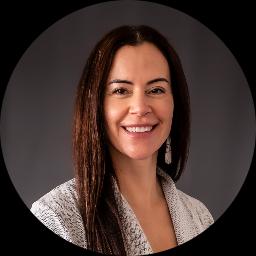
About Rebecca
Rebecca Daigneault is a Licensed Clinical Social Worker who helps adults facing anxiety, stress, grief, and the fallout from trauma. She works with people navigating life changes and relationship strain. Her style is practical and person-focused.
Sessions aim to make small, useful changes that fit each person’s life. Rebecca draws on six years of clinical social work experience along with many more years in broader social work roles. She uses methods that match the person in front of her rather than a single fixed approach.
Background and approach
That can mean learning skills for managing anxiety, practicing new ways to cope after loss, or working through painful memories at a careful pace. Her practice includes approaches such as attachment-based work, cognitive behavioral strategies, dialectical behavior techniques, and EMDR for processing trauma. She also uses client-centered principles to keep conversations grounded in what matters most to each person.
Rebecca adapts tools to address concerns like postpartum depression, isolation, body image, and the effects of prejudice. Sessions are offered in English and scheduled to suit people living in North Dakota. Rebecca focuses on helping individuals build on strengths and handle practical challenges.
The work is collaborative - she partners with people to set goals and track progress over time. Her background includes practice across Southwestern states and North Dakota, bringing a range of social work experience to clinical care. Rebecca aims to make therapy understandable and actionable so clients can use what they learn between sessions.
How Rebecca’s approaches translate to online therapy
Attachment-based work focuses on how early relationships shape current patterns. Online sessions can help people notice those patterns, rebuild trust, and practice different ways of connecting. Cognitive Behavioral Therapy, or CBT, helps people identify unhelpful thoughts and try practical changes in behavior to reduce anxiety and improve mood. EMDR is a method used to help process traumatic memories through structured steps and can be adapted for remote work when appropriate.Choosing the right approach is part of the process. Rebecca will talk with each person about goals, preferences, and what feels most helpful. Together they decide which methods to try and adjust them as progress is made, so therapy stays focused and relevant.
Online formats make it easier to fit therapy into a busy life. Video calls allow face-to-face conversation and visual cues. Phone sessions need less bandwidth and can work when being on camera isn’t possible. Live chat and text-based messaging offer brief check-ins, written reflections, and flexible ways to keep momentum between longer sessions. These options aim to make consistent work possible while matching each person’s routine and needs.
Frequently asked questions
What kinds of concerns does Rebecca help address?
What is her general therapeutic style?
How much clinical experience does she have?
What are her credentials and where is she based?
Are sessions offered in other languages or internationally?
What session formats are available?
How are costs handled for therapy with her?
How do I begin working with her?
Specialties and expertise
Top specialties
- Stress, Anxiety
- Relationship issues
- Trauma and abuse
Also works with
- Abandonment
- Adoption and foster care
- Attachment issues
- Autism and Asperger Syndrome
- Body image
- Coping with life changes
- Grief
- Guilt and shame
- Immigration issues
- Impulsivity
- Intellectual disability
- Isolation / loneliness
- Multicultural concerns
- Postpartum depression
- Prejudice and discrimination
- Seasonal Affective Disorder (SAD)
- Sexual assault and abuse
- Smoking / vaping cessation
- Social anxiety and phobia
- Traumatic brain injury
- Women's issues
Therapeutic approaches
- Experience
- 6 years
- Licensed
- North Dakota
- Languages
- English