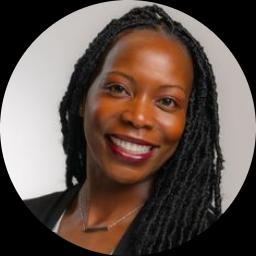
About Rachel
Rachel Hunter is a Licensed Clinical Social Worker who helps people manage stress, anxiety, grief, and life changes. She offers practical support for relationship concerns and coaching to clarify goals. Rachel practices in Texas and brings eight years of clinical experience to her sessions.
Clients often arrive feeling overwhelmed by loss, workplace pressure, or shifting life roles. Rachel focuses on clear steps people can try between sessions, like communication techniques and coping skills.
Background and approach
She uses everyday language and keeps work focused on problems that matter to the client. Her background includes experience with caregiver stress, hospice and end-of-life counseling, and fatherhood issues. She also addresses multicultural concerns, prejudice and discrimination, and post-traumatic stress in ways that respect each person’s story.
Rachel holds a Texas LCSW (Licensed Clinical Social Worker) and a Virginia LCSW and draws on that clinical experience in her approach. Sessions include talking through family of origin and control issues, working on forgiveness, and exploring life purpose and self-love. She provides coaching-style support when someone wants clear next steps and accountability.
Rachel aims to help people rebuild routine and balance after a major change. Conversations are intended to be straightforward and goal-oriented, with time set aside for skills practice and real-life problem solving. People who want a blend of emotional support and practical tools often find this style helpful.
Rachel communicates in English and sees clients in Texas.
Therapeutic approaches and online options
Rachel uses evidence-based therapeutic techniques focused on practical change and emotional processing. One common approach helps people learn concrete coping skills for anxiety and stress, such as breathing strategies, activity scheduling, and step-by-step plans to reduce overwhelm. These techniques suit everyday stress, workplace pressure, and panic symptoms.Another approach emphasizes processing loss and grief through guided conversation and paced reflection. This method supports people working through bereavement, end-of-life concerns, and major life transitions by creating space to remember, adjust, and build new routines.
Choosing the right approach is a collaborative process. The therapist will discuss goals, preferences, and what has or hasn’t helped before, then try methods that fit the person’s needs. Adjustments are made over time based on how someone responds and what they want to accomplish.
Online therapy with Rachel includes video calls, phone sessions, live chat, and text-based messaging to fit different days and tasks. Video is useful for deep conversations and visual cues, phone can work when bandwidth is limited, live chat and messaging are good for short check-ins or steady accountability. These options let people fit sessions into busy schedules and keep progress moving between in-person obligations.
Frequently asked questions
What concerns does Rachel commonly help with?
What is Rachel's style in sessions?
How much clinical experience does she have?
What credentials and location are listed?
Which languages are supported for sessions?
What session formats are available?
How are fees and payments handled?
How do I begin working with Rachel?
Specialties and expertise
Top specialties
- Stress, Anxiety
- Relationship issues
- Grief
Also works with
- Caregiver issues and stress
- Coaching
- Communication problems
- Control issues
- Coping with life changes
- Family of origin issues
- Family problems
- Fatherhood issues
- Forgiveness
- Hospice and end-of-life counseling
- Life purpose
- Men's issues
- Midlife crisis
- Multicultural concerns
- Post-traumatic stress
- Prejudice and discrimination
- Self-love
- Women's issues
- Workplace issues
- Experience
- 8 years
- Licensed
- Virginia, Texas
- Languages
- English