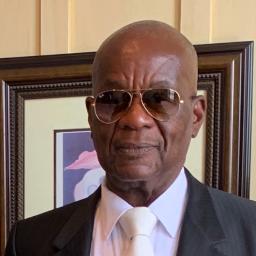
About Paul
Paul Lewis is a licensed clinical social worker practicing in Louisiana with 30 years of experience. He focuses on helping people who are dealing with relationship problems, trauma or abuse, depression, and major life changes. He also integrates coaching for people who want practical steps and clearer direction.
Paul approaches sessions with a straightforward, strengths-based attitude. He treats each person as the expert on their own story and works to build on what already works in their life.
Background and approach
He encourages small, manageable steps that fit into daily routines. In sessions he listens for patterns that cause pain, then talks through concrete options to change them. He helps people unpack difficult emotions such as guilt, shame, jealousy, or isolation and considers how those feelings affect choices.
He can guide discussions about infidelity, divorce and separation, and questions around sexuality or non-monogamous relationships. Paul has worked with people affected by first responder stress and post-traumatic reactions. He also addresses multicultural concerns and the search for life purpose when those issues come up.
His background includes both clinical work and professional coaching, which he uses to combine emotional support with practical planning. Starting therapy with Paul begins with a short introduction and a focus on what the person wants to change. The aim is to create clear steps and workable goals so people leave sessions with something to try between meetings.
Evidence-based approaches and online access
Paul uses evidence-based therapeutic techniques that focus on clear, practical steps to reduce distress and improve relationships. One common approach emphasizes identifying harmful patterns in thoughts and behaviors and replacing them with more helpful actions; this helps with depression, impulsivity, and coping during life changes. Another approach centers on processing trauma and post-traumatic stress by carefully working through painful memories and reactions while building better coping skills; this is useful for people who have experienced abuse or high-stress events.Choosing the right approach is a collaborative process. The therapist will listen to your concerns, goals, and preferences, then try methods that fit your situation. Over time the plan can be adjusted based on what is most helpful for you.
Online sessions offer several practical benefits. Video calls let you have face-to-face conversations when travel is difficult. Phone sessions use less bandwidth and can be easier during busy days. Live chat and text-based messaging are helpful for brief check-ins, quick coping strategies, or when writing feels more comfortable. These options aim to make it simpler to fit therapy into a daily routine and to maintain continuity when life gets complicated.
Frequently asked questions
What concerns does Paul address?
What is his therapy style like?
How long has he been practicing?
What credentials and location are listed?
Which languages are supported and can international clients connect?
What session formats are available?
How does billing and cost work?
How do I begin working with him?
Specialties and expertise
Top specialties
- Relationship issues
- Trauma and abuse
- Depression
Also works with
- Experience
- 30 years
- Licensed
- Louisiana
- Languages
- English