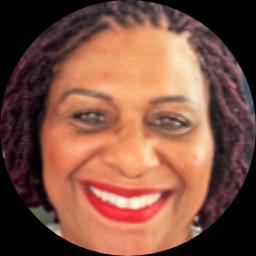
About Ondrea
Ondrea Hairston is a licensed clinical social worker who helps people facing stress, anxiety, relationship strain, trauma, and depression. She brings a calm, practical presence and aims to make therapy feel straightforward and approachable for someone juggling many responsibilities.
She earned a Master of Social Work from the University of Washington in 2005 while raising a family, so she knows firsthand how hard work-life balance can be. Ondrea has two decades of experience in social work and mental health settings.
Background and approach
That background gives her a broad perspective on common life challenges and how they show up over time. In sessions she focuses on building a respectful, open space where thoughts and feelings can be talked through without judgment. She draws on a mix of approaches to match what an individual needs, including attachment-focused work, client-centered talking, and practical cognitive techniques.
Her practice includes help with caregiver stress, codependency, communication problems, first responder and veteran issues, end-of-life concerns, and postpartum mood struggles. She also addresses isolation, life purpose questions, impulsivity, and infidelity recovery. Ondrea aims to work collaboratively so people feel understood and clear about next steps.
She keeps language plain and goals realistic, helping people try new ways of coping between sessions. Her Indiana-based practice is informed by wide-ranging field experience and a focus on what will help in daily life.
Approach and online options that fit your life
Attachment-Based Therapy focuses on how early relationships shape current connections and emotional responses. It helps people notice patterns in closeness, trust, and conflict so they can try different ways of relating. Client-Centered Therapy centers the person’s own goals and experience, giving space for strengths and choices to guide progress. Cognitive Behavioral Therapy (CBT) looks at how thoughts affect feelings and behavior and teaches practical skills to reduce anxiety and lift mood.Finding the right mix of approaches is part of the work. The therapist will talk with each person about goals, preferences, and how symptoms appear in daily life. Together they decide which approaches to try and adjust the plan as needed in a collaborative way.
Online therapy offers several practical benefits. Video calls allow longer, face-to-face conversations when discussion and emotional connection matter. Phone sessions can be easier when bandwidth is limited or a lighter presence is preferred. Live chat and text-based messaging support quick check-ins, short coaching, or ongoing reflection between longer sessions. These options make it easier to fit therapy into a busy schedule and to keep momentum between meetings.
Frequently asked questions
What kinds of problems does she help with?
What is her general therapeutic style?
How much clinical experience does she have?
What credentials and location should I know about?
Can I work with her if I live outside the U.S.?
Which session formats are available?
How does payment and cost work?
What are the first steps to begin?
Specialties and expertise
Top specialties
- Stress, Anxiety
- Relationship issues
- Trauma and abuse
Also works with
- Caregiver issues and stress
- Codependency
- Communication problems
- Coping with life changes
- Depression
- First responder issues
- Hospice and end-of-life counseling
- Impulsivity
- Infidelity
- Isolation / loneliness
- Life purpose
- Men's issues
- Mood disorders
- Multicultural concerns
- Post-traumatic stress
- Postpartum depression
- Process addiction (porn, exercise, gambling)
- Self-love
- Veteran and Armed Forces Issues
- Women's issues
- Workplace issues
- Young adult issues
Therapeutic approaches
- Experience
- 20 years
- Licensed
- Indiana, Texas, New York
- Languages
- English