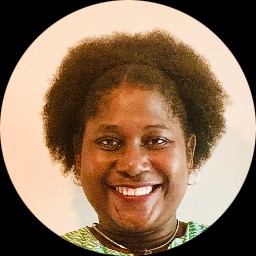
About Octazia
Octazia Short is a licensed clinical social worker in North Carolina who helps people facing stress, anxiety, trauma, low self-esteem, and depression. She works with those adjusting to big life changes and those looking for clearer coping tools. Octazia speaks plainly and aims to make first steps feel manageable for people who are unsure where to begin.
She brings ten years of professional experience to each session. Octazia focuses on listening carefully, asking practical questions, and shaping conversations to each person’s situation.
Background and approach
She describes treatment as a partnership where goals are set together and progress is checked regularly. Octazia pays close attention to how past losses, attachment wounds, or abandonment issues can affect day-to-day life. She also addresses caregiver stress, blended family tensions, and challenges that arise after divorce or separation.
Mood disorders and issues tied to veteran and armed forces experiences are within her area of focus. In sessions she helps people untangle control issues, manage impulsivity, and work through guilt, shame, or isolation. Communication problems and finding a renewed sense of life purpose are also common topics.
Octazia adapts conversation style and practical suggestions to each person’s needs. She offers sessions in English and accepts international clients. Octazia uses a flexible mix of video calls, phone sessions, live chat, and text messaging to fit different schedules and day-to-day demands.
Evidence-based approaches and online care
Octazia uses evidence-based therapeutic techniques that focus on practical change and emotional understanding. One common approach helps people process traumatic events and reduce the ways those memories affect day-to-day life by teaching grounding and coping skills. Another approach emphasizes building clearer patterns of communication and managing intense emotions so people can feel steadier during stress and transition.Choosing the right approach is a collaborative process. The therapist will ask about your goals, past experiences, and what has or hasn’t helped before. Together you will try methods that match your needs and adjust them over time based on what works for you.
Online sessions are offered by video call, phone, live chat, and text messaging to make therapy easier to fit into your life. Video is useful for a more face-to-face interaction, phone calls can work when bandwidth is limited, and messaging is helpful for quick check-ins or when a written record of the work is useful. These options support regular contact, flexibility around work or caregiving schedules, and different comfort levels with being on camera.
Frequently asked questions
What kinds of concerns does she help address?
What is her therapeutic style like?
How much clinical experience does she have?
What are her professional credentials and location?
Which languages and international arrangements are supported?
What session formats are available?
How is cost handled for sessions?
How do I begin working with her?
Specialties and expertise
Top specialties
Also works with
- Abandonment
- Attachment issues
- Blended family issues
- Caregiver issues and stress
- Communication problems
- Control issues
- Coping with life changes
- Coping with natural or human-caused disaster
- Depression
- Divorce and separation
- Forgiveness
- Guilt and shame
- Impulsivity
- Isolation / loneliness
- Life purpose
- Mood disorders
- Multicultural concerns
- Panic disorder and panic attacks
- Post-traumatic stress
- Postpartum depression
- Pregnancy and childbirth
- Seasonal Affective Disorder (SAD)
- Self-love
- Sexual assault and abuse
- Sexuality
- Social anxiety and phobia
- Veteran and Armed Forces Issues
- Women's issues
- Workplace issues
- Young adult issues
- Experience
- 10 years
- Licensed
- North Carolina
- Languages
- English