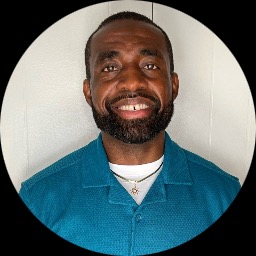
About OBrain
Obrain Agwanihu is a licensed clinical social worker in Illinois with nine years of professional experience. He helps people who are dealing with stress, anxiety, low self-esteem, depression, anger, and relationship concerns. He aims to make the first step toward change feel manageable and less overwhelming.
He creates an open, nonjudgmental atmosphere where clients can talk through thoughts and feelings. Sessions focus on identifying practical steps people can try between meetings.
Background and approach
The pace is set by each person’s needs and comfort level. Obrain draws on evidence-based therapeutic techniques to address issues such as abandonment, attachment struggles, communication problems, control issues, and guilt or shame. He also supports people coping with impulsivity, isolation, questions of life purpose, and mood disorders.
Men’s issues, post-traumatic stress, self-love, and social anxiety are additional areas he attends to in therapy. He aims to help clients build skills for clearer boundaries, steadier mood, and healthier patterns in relationships and daily life. Sessions are offered in English and are available to international clients.
Formats include video calls, phone sessions, live chat, and text-based messaging, so people can choose what fits their schedule and comfort. To begin, clients complete a short matching questionnaire and schedule according to availability.
How evidence-based techniques translate to online care
Obrain uses practical, evidence-based approaches that focus on clear skills and real-life change. One approach emphasizes learning coping skills for anxiety and mood regulation, teaching breathing, grounding, and activity planning to reduce overwhelm. Another approach focuses on attachment and relationship patterns, helping people notice repeating dynamics and try new ways of communicating and setting boundaries.Choosing the right approach is part of the work together. He will talk with each person about goals, strengths, and preferences, then recommend techniques to try. That plan can change over time as progress and new needs emerge, and decisions are made collaboratively.
Online formats include video calls, phone sessions, live chat, and text-based messaging, which offer practical benefits. Video calls allow face-to-face conversation and visual cues. Phone sessions can be easier when lower bandwidth or no camera is needed. Live chat and text messaging work well for brief check-ins, ongoing support between sessions, or when writing feels more comfortable. These options help people fit therapy into busy lives and keep continuity of care across time zones and locations.
Frequently asked questions
What concerns does this therapist address?
How would you describe his therapeutic style?
What is his professional background?
Where is he licensed and based?
What languages are offered and can international clients connect?
Which session formats are available?
How does payment and cost work?
What are the first steps to get started?
Specialties and expertise
Top specialties
- Stress, Anxiety
- Relationship issues
- Anger management
Also works with
- Experience
- 9 years
- Licensed
- Illinois
- Languages
- English