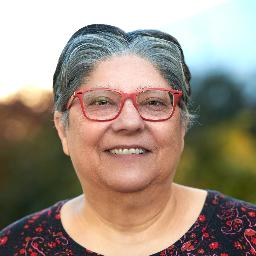
About Norma
Norma Beatriz is a licensed clinical social worker who helps people manage stress, anxiety, depression, grief, relationship and intimacy concerns, and life changes. She draws on many approaches to tailor sessions to each person's needs. Norma speaks English and Spanish and practices from Michigan with 41 years of experience as an LMSW and LCSW.
She keeps sessions straightforward and focused on what matters most to the client. Conversations often start with what is causing the most distress now.
Background and approach
From there she helps people set short-term goals and practical steps to feel better between sessions. Work can include improving communication, coping strategies for anger and anxiety, or rebuilding trust after loss or trauma. Norma uses a mix of methods including client-centered listening, cognitive behavioral ideas, emotionally-focused work, mindfulness, and psychodynamic perspectives.
She adapts her approach so clients who prefer talking through feelings, learning new skills, or reflecting on past patterns all get support that fits them. Her background includes long-term work as a counselor and life coach, helping people with parenting, blended family issues, caregiver stress, and family of origin problems.
She also supports people dealing with body image, commitment and control issues, and the effects of abandonment. Sessions may focus on practical changes like clearer communication and coping tools, or on deeper themes such as forgiveness and processing abuse. Norma aims to make therapy a respectful, collaborative space where people can pursue clearer goals and greater joy in everyday life.
How her approaches translate to online therapy
Norma often blends client-centered therapy and cognitive behavioral therapy in online sessions. Client-centered work focuses on listening, reflecting feelings, and following the client’s lead to build trust and clarity. Cognitive behavioral therapy looks at unhelpful thoughts and tests small behavior changes to reduce anxiety and improve mood.Finding the right approach is a joint process. The therapist will talk with each person about goals, preferences, and what feels helpful. Together they decide whether to focus more on emotional processing, practical skill-building, or a mix of both, and they adjust as needs change.
Online formats include video calls, phone sessions, live chat, and text-based messaging. Video lets people use face-to-face conversation and visual cues. Phone sessions work well when bandwidth is limited or a quieter check-in is needed. Live chat and messaging offer brief check-ins and ongoing support between appointments. These options make it easier to fit therapy into a busy life and try different ways of working until a good fit is found.
Frequently asked questions
What kinds of concerns does she work with?
What is her therapeutic style like?
How much experience does she have?
What are her credentials and where is she based?
Which languages are supported for sessions?
What session formats are available?
How is cost handled for sessions?
How do I begin working with her?
Specialties and expertise
Top specialties
- Stress, Anxiety
- Relationship issues
- Family conflicts
Also works with
- Abandonment
- Aging and geriatric issues
- Anger management
- Autism and Asperger Syndrome
- Blended family issues
- Body image
- Caregiver issues and stress
- Codependency
- Commitment issues
- Communication problems
- Control issues
- Coping with life changes
- Depression
- Divorce and separation
- Family of origin issues
- Family problems
- Fatherhood issues
- Forgiveness
- Grief
- Guilt and shame
- Intimacy-related issues
- Isolation / loneliness
- LGBT
- Life purpose
- Midlife crisis
- Multicultural concerns
- Panic disorder and panic attacks
- Parenting issues
- Phobias
- Post-traumatic stress
- Self esteem
- Self-love
- Sexual assault and abuse
- Social anxiety and phobia
- Somatization
- Trauma and abuse
- Women's issues
- Young adult issues
Therapeutic approaches
- Experience
- 41 years
- Licensed
- Michigan, Maine
- Languages
- English, Spanish