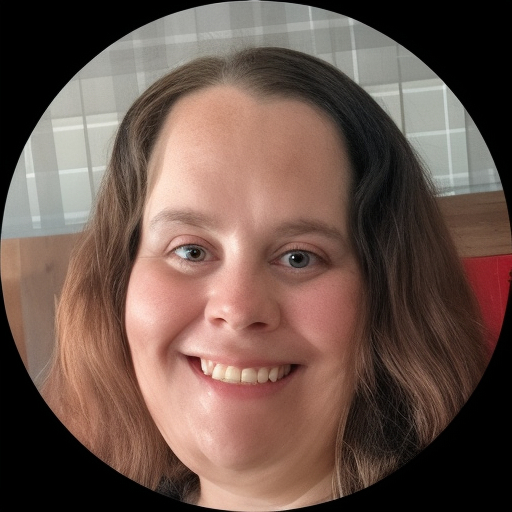
About Miranda
Miranda Delehoy is a licensed clinical social worker in North Carolina who helps people facing stress, anxiety, depression, trauma, and issues related to LGBT identity. She focuses on practical support for parenting challenges and people feeling isolated. Miranda aims to make therapy approachable and useful from the first session.
She uses evidence-based therapeutic techniques to help clients build coping skills. Sessions emphasize clear communication, manageable steps, and tools people can use between meetings.
Background and approach
The work often targets problem areas such as abandonment, attachment concerns, and codependency. Miranda also addresses challenges linked to chronic illness and caregiver stress. She supports people navigating divorce, blended family concerns, and separation.
Her approach includes attention to guilt, shame, and impulsivity that can come with major life changes. People who struggle with isolation, mood disorders, or social anxiety will find practical strategies in her sessions. Miranda helps clients work through communication problems and relationship transitions without relying on jargon.
She draws on three years of clinical experience as a licensed clinical social worker - LCSW. Her background includes focused work with people on the autism spectrum, domestic violence recovery, and disaster-related coping. Miranda aims to help clients develop clearer self-understanding and steady routines for better day-to-day functioning.
The goal is forward motion rather than perfect solutions.
How Miranda Uses Evidence-Based Approaches Online
Miranda works with evidence-based therapeutic techniques that focus on real skills people can use. One common approach she uses targets anxiety and mood regulation by teaching breathing, grounding, and step-by-step exposure to feared situations to reduce avoidance and panic. Another approach emphasizes improving attachment and communication patterns by helping clients notice relationship habits and practice new ways of reaching out or setting boundaries.Choosing the right approach happens together. Miranda reviews goals, life context, and what has or hasnt worked before. She adjusts methods over time so the work fits the clients needs and comfort level, and invites feedback throughout the process.
Online formats include video calls, phone sessions, live chat, and text-based messaging. Video is useful for deeper conversations and visual cues, while phone calls can fit into a short break or work better when bandwidth is limited. Live chat and messaging allow quick check-ins, ongoing coaching, or brief problem-solving between sessions. These options make it easier to keep therapy consistent and fit it into a busy schedule.
Frequently asked questions
What kinds of problems does she help with?
What is her general therapy style?
How much clinical experience does she have?
What credentials and region apply to this therapist?
Which languages are sessions offered in?
What session formats are available?
How does payment and cost work?
What are the first steps to begin therapy?
Specialties and expertise
Top specialties
Also works with
- Abandonment
- Attachment issues
- Autism and Asperger Syndrome
- Blended family issues
- Caregiver issues and stress
- Chronic pain, illness, and disability
- Codependency
- Communication problems
- Coping with natural or human-caused disaster
- Depression
- Divorce and separation
- Domestic violence
- Guilt and shame
- Impulsivity
- Isolation / loneliness
- Mood disorders
- Panic disorder and panic attacks
- Parenting issues
- Post-traumatic stress
- Pregnancy and childbirth
- Seasonal Affective Disorder (SAD)
- Sexuality
- Social anxiety and phobia
- Visually impaired
- Women's issues
- Workplace issues
- Young adult issues
- Experience
- 3 years
- Licensed
- North Carolina
- Languages
- English