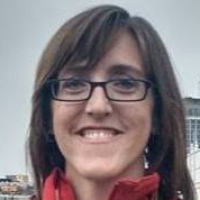
About Michelle
Michelle McHugh is a Licensed Independent Clinical Social Worker with more than two decades in mental health care. She brings practical, down-to-earth support for stress, anxiety, addictions, trauma, depression, grief, and relationship concerns. Michelle practices in Arkansas and offers services in English.
Michelle trained at New York University School of Social Work and has worked across settings including inpatient addiction programs, psychiatric units, and outpatient clinics. Her background includes long-term service as a Behavioral Health Officer with the Army National Guard and work with active Guard soldiers and veterans from multiple branches.
Background and approach
Her style is collaborative and straightforward. Sessions focus on clear goals, coping skills, and small changes that add up over time. She avoids stigmatizing language and centers each person’s experience when planning care.
Michelle uses practical methods such as Cognitive Behavioral Therapy to change unhelpful thoughts and behaviors, and EMDR for trauma-related symptoms. Mindfulness and Motivational Interviewing are also part of her toolbox when they fit a person’s needs. People reach out for help with substance use, codependency, shame, gender identity questions, mood disorders, sleep problems, and adjustment to life changes.
Michelle also addresses issues tied to aging, first responder stress, prejudice and discrimination, and women’s health concerns. She offers several ways to meet online, including video, phone, live chat, and messaging. To begin, use the Start Therapy button, complete a short matching questionnaire, and schedule sessions based on availability.
Online approaches for trauma, addiction, and daily stress
Michelle often uses Cognitive Behavioral Therapy to help people identify and change unhelpful thoughts and behaviors; this approach is practical and works well for anxiety, depression, and sleep problems. She also works with Eye Movement Desensitization and Reprocessing (EMDR) to address trauma-related symptoms by processing distressing memories in a structured way that can reduce their intensity.Finding the right approach is a shared process. The therapist will talk through goals and preferences, then suggest methods and adapt them over time. Together they will try what fits best and adjust based on what helps most.
Online sessions are offered by video calls, phone sessions, live chat, or text-based messaging to provide flexibility. Video sessions allow face-to-face conversation and visual cues. Phone sessions can be a good option when bandwidth is limited or a shorter check-in is needed. Live chat and messaging work for brief updates, focused exercises, or when writing feels easier than speaking. These options make it easier to fit therapy into a busy life and to keep consistent progress.
Frequently asked questions
What concerns does she help with?
What is her therapeutic style like?
What experience does she bring to sessions?
What are her credentials and where does she practice?
Which languages are supported for sessions?
How can sessions be delivered?
How are costs and billing handled?
What are the first steps to begin therapy?
Specialties and expertise
Top specialties
Also works with
- Aging and geriatric issues
- Bipolar disorder
- Codependency
- Coping with life changes
- Depression
- Drug and alcohol addiction
- Family of origin issues
- First responder issues
- Gender dysphoria
- Grief
- Mood disorders
- Post-traumatic stress
- Prejudice and discrimination
- Relationship issues
- Seasonal Affective Disorder (SAD)
- Self esteem
- Sexuality
- Sleeping disorders
- Trauma and abuse
- Veteran and Armed Forces Issues
- Women's issues
Therapeutic approaches
- Experience
- 23 years
- Licensed
- Alabama, Arkansas
- Languages
- English