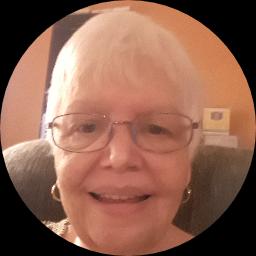
About Michelle
Dr. Michelle Blake helps people facing grief, depression, anxiety, stress, and life changes. She supports those dealing with relationship and intimacy issues, career concerns, self-esteem struggles, and compassion fatigue.
Michelle also offers guidance around LGBT and gender dysphoria concerns and other personal transitions. She keeps sessions straightforward and warm. Conversations are client-centered, so the person’s experience leads the work.
She asks practical questions, listens carefully, and reflects what she hears to help people make sense of things.
Background and approach
Her approach also draws on psychodynamic ideas to look at patterns from the past that affect current feelings and choices. That can help when recurring problems feel stuck or confusing. Michelle balances this with a present-focused eye on coping skills and day-to-day needs.
Michelle is a licensed clinical social worker - LCSW - with licenses in Tennessee and Indiana. She brings 15 years of clinical experience to her practice and a long background in higher education that informs her communication style and clarity. In sessions she aims to create a respectful, nonjudgmental space.
People can expect direct questions, gentle reflection, and shared planning for next steps. Her style is collaborative and practical, focused on helping each person move toward clearer goals. Therapy can cover grief and end-of-life concerns, caregiver stress, mood disorders, multicultural issues, and midlife or life-purpose questions.
Michelle adapts what she offers to each person’s priorities and pace.
How online therapy uses client-centered and psychodynamic work
Client-Centered Therapy focuses on listening closely and following what matters most to the person. The therapist reflects feelings and helps the person find their own solutions, which can be useful for anxiety, self-esteem, and life changes.Psychodynamic Therapy looks at how past patterns and relationships affect current feelings. It helps when recurring reactions or relationship patterns feel confusing or get in the way of goals.
Choosing the right approach is part of the work. The therapist will talk with the person about goals, preferences, and what feels most helpful. Together they adjust focus and methods as therapy progresses so the plan fits the person’s needs.
Online sessions are offered by licensed professionals using video calls, phone sessions, live chat, or text-based messaging. Video allows face-to-face conversation; phone can be easier when bandwidth is limited. Live chat and messaging work well for brief check-ins, written reflection, or when someone prefers not to be on camera. These options make it easier to fit sessions into a busy life and to continue work between meetings.
Frequently asked questions
What concerns does Michelle commonly address?
How would you describe her therapeutic style?
What background and experience does she bring?
Where is she licensed and based?
Which languages are sessions offered in?
What session formats are available online?
How are sessions paid for and what does cost look like?
What are the first steps to begin work together?
Specialties and expertise
Top specialties
Also works with
- Aging and geriatric issues
- Avoidant personality
- Career difficulties
- Caregiver issues and stress
- Codependency
- Compassion fatigue
- Control issues
- Coping with natural or human-caused disaster
- Family of origin issues
- Fertility issues
- Gender dysphoria
- Guilt and shame
- Hospice and end-of-life counseling
- Intimacy-related issues
- LGBT
- Life purpose
- Midlife crisis
- Mood disorders
- Multicultural concerns
- Obsessions, compulsions, and OCD
- Phobias
- Pregnancy and childbirth
- Prejudice and discrimination
- Relationship issues
- Seasonal Affective Disorder (SAD)
- Self esteem
- Self-love
- Sexual assault and abuse
- Social anxiety and phobia
- Stress, Anxiety
- Trauma and abuse
- Women's issues
- Workplace issues
- Young adult issues
Therapeutic approaches
- Experience
- 15 years
- Licensed
- Tennessee, Indiana
- Languages
- English