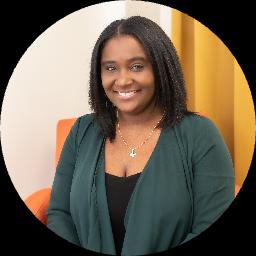
About Michaela
Michaela Flash is a licensed clinical social worker who uses practical, skills-based therapy to help people manage stress and anxiety. She focuses on everyday struggles like low self-esteem, career stress, relationship issues, and compassion fatigue. Michaela meets people where they are and helps them find concrete steps forward.
She blends Cognitive Behavioral Therapy and Dialectical Behavior Therapy to teach coping tools and change patterns that keep problems stuck. Motivational Interviewing helps when someone feels stuck about making a change, and Solution-Focused Therapy narrows in on realistic next steps.
Background and approach
Sessions center on clear skills to try between meetings. Michaela brings four years of clinical practice as an LCSW to her work in Indiana. She also draws on life experience as a first-generation American to understand multicultural and immigration-related stress.
She pays attention to how cultural pressures and prejudice shape problems like isolation and self-doubt. Common concerns she addresses include attachment struggles, dependent personality patterns, fertility and workplace issues, infidelity, and the strain of discrimination. She also supports young adults and people navigating women’s issues with straightforward, paced conversations.
In sessions, Michaela balances practical exercises with time to talk about feelings. She helps set small, measurable goals and checks progress each week. The focus is on usable tools and clearer choices, not on lengthy theory.
How practical therapy methods work online
Michaela uses Cognitive Behavioral Therapy to help people spot unhelpful thoughts and try different behaviors. CBT is useful for anxiety, stress, and workplace worry because it focuses on changing what you do and think next. She also uses Dialectical Behavior Therapy skills to teach distress tolerance and emotion regulation, which can help with relationship tension and overwhelming feelings.Choosing the right method is part of the work. Michaela will talk with each person about goals and preferences and then try approaches together. That collaborative process allows the plan to change if something does not fit or if different tools are needed over time.
Online therapy offers flexibility in how sessions happen. Video calls let people use face-to-face interaction when desired. Phone sessions can be simpler when bandwidth is limited or when someone prefers not to be on camera. Live chat and text-based messaging are convenient for short check-ins, brief skill practice, or scheduling quick follow-ups between longer sessions. These options make it easier to fit therapy into a busy life and to keep progress moving forward.
Frequently asked questions
What concerns does Michaela commonly address?
What is her therapeutic style like?
How much clinical experience does she have?
Where is she licensed and practicing?
Which languages are sessions offered in?
What formats are used for sessions?
How is cost handled for sessions?
How do I begin working with Michaela?
Specialties and expertise
Top specialties
- Stress, Anxiety
- Relationship issues
- Self esteem
Also works with
Therapeutic approaches
- Experience
- 4 years
- Licensed
- Indiana
- Languages
- English