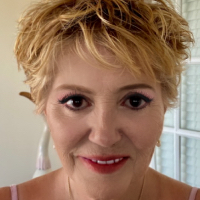
About Mary
Mary Cowen is a Licensed Clinical Social Worker with 26 years of experience. She has practiced across several states and now provides services from North Carolina. Mary focuses on helping people facing depression, anxiety, grief, relationship strain, and life transitions.
She has worked in many settings, including hospitals, hospice, inpatient mental health, school-based programs, home health care, and community clinics. That range gives her experience with short-term crisis work and longer-term therapy.
Background and approach
She also has experience with issues linked to serious illness and caregiving stress. Mary uses a straightforward, warm style in sessions. She aims to listen closely and help people find practical ways to cope.
Her approach is collaborative and tailored to each person’s situation and goals. Therapeutic methods she commonly uses include client-centered therapy, cognitive behavioral therapy, dialectical behavior therapy, mindfulness, and motivational interviewing. She adapts those methods to fit concerns such as eating issues, trauma, bipolar disorder, ADHD, and substance-related problems.
People who reach out can expect calm, respectful conversation and clear options for next steps. Mary supports parents working through parenting strain and adults handling career stress, intimacy questions, and family conflict. She also assists those dealing with aging-related issues, chronic illness, and grief.
Her practice accepts clients internationally and offers several online session formats. To begin, a brief matching questionnaire and scheduling step connect someone to the right session type.
Therapeutic approaches adapted for online care
Client-centered work focuses on listening and following the person’s lead. This approach helps people feel heard and builds goals based on their priorities. Cognitive Behavioral Therapy, or CBT, looks at patterns of thinking and behavior and teaches practical skills to reduce symptoms like anxiety and depression. Dialectical Behavior Therapy, or DBT, combines skills for managing intense emotions, tolerating distress, and improving relationships, which can help with mood instability and strong emotional reactions.Finding the right approach usually happens together. The therapist will talk through goals, try approaches in session, and adjust based on what feels most helpful. That collaborative process makes it easier to match tools to symptoms such as worry, grief, relationship strain, or challenges with eating or substance use.
Online therapy offers flexible ways to connect. Video calls let people work face-to-face without travel. Phone sessions can be a good fit when bandwidth is low or the camera isn’t wanted. Live chat and text-based messaging support quick check-ins, short coaching-style notes, and ongoing contact between sessions. These options make it simpler to fit therapy into busy schedules and to continue work across different locations.
Frequently asked questions
What concerns does Mary commonly address?
How would you describe her therapy style?
What background does she bring to sessions?
What credential and location information is available?
In which languages can sessions be held?
What session formats are offered?
How are costs and payments handled?
What steps start the process?
Specialties and expertise
Top specialties
- Grief
- Eating disorders
- Self esteem
Also works with
- ADHD
- Adoption and foster care
- Aging and geriatric issues
- Anger management
- Bipolar disorder
- Blended family issues
- Body image
- Cancer
- Career difficulties
- Caregiver issues and stress
- Chronic pain, illness, and disability
- Co-morbidity
- Coaching
- Codependency
- Commitment issues
- Communication problems
- Compassion fatigue
- Control issues
- Coping with life changes
- Dependent personality
- Depression
- Drug and alcohol addiction
- Eating and food-related issues
- Family conflicts
- Family of origin issues
- Family problems
- Fertility issues
- First responder issues
- Forgiveness
- Guilt and shame
- Hospice and end-of-life counseling
- Impulsivity
- Intimacy-related issues
- Mood disorders
- Multicultural concerns
- Panic disorder and panic attacks
- Paranoia
- Parenting issues
- Phobias
- Relationship issues
- Self-harm
- Self-love
- Social anxiety and phobia
- Stress, Anxiety
- Trauma and abuse
- Traumatic brain injury
- Veteran and Armed Forces Issues
- Women's issues
- Workplace issues
- Young adult issues
Therapeutic approaches
- Experience
- 26 years
- Licensed
- North Carolina
- Languages
- English